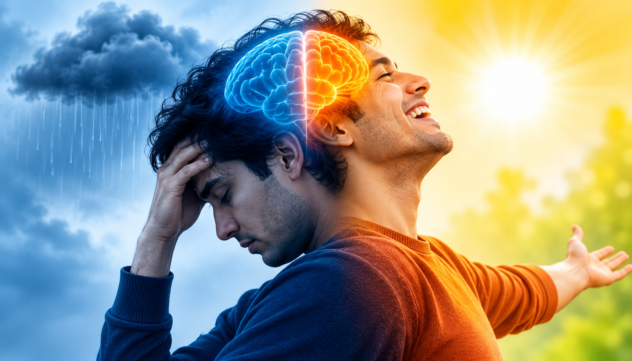
Bipolar disorder is a mental health condition in which mood, energy and activity levels swing far beyond normal ups and downs. At times a person may feel unusually high, energetic and restless (mania or hypomania), and at other times they may sink into deep depression. These shifts are much more intense than ordinary sadness or happiness. The condition is serious, but it can be kept under control with proper treatment. According to the World Health Organization’s (WHO) updated figures, about 1 in 200 people worldwide, roughly 37 million, live with bipolar disorder.
Many people go years without a correct diagnosis. Common reasons include stigma around mental illness, symptoms that look like depression or anxiety, and limited access to mental health care.
The encouraging news is that medication, therapy and healthy lifestyle habits used together help most people keep their symptoms under control and live full, productive lives. This article draws on trusted sources such as WHO, the National Institute of Mental Health (NIMH) and Mayo Clinic to explain what the condition is, its symptoms, causes, treatment and next steps.
What Is Bipolar Disorder?
Bipolar disorder, also known as “manic depression”, is a serious mental health condition that affects your mood. In this condition, episodes of mania or hypomania alternate with episodes of depression. Between episodes, many people have long periods of fairly stable mood.
There are three main types:
- Bipolar I
At least one full manic episode that lasts seven days or longer, or is so severe that hospital care is needed. Depressive episodes usually occur as well. - Bipolar II
Marked by episodes of depression and hypomania, but never a full manic episode. - Cyclothymic disorder
Many periods of mild highs (elevated mood or excitement) and mild depression over a long time, without ever meeting the full criteria for mania or major depression.
Sometimes a person can have four or more mood episodes in one year. This is called rapid cycling.
Also, mania and depression symptoms can happen at the same time. This is called mixed features.
This condition usually starts in late teens or early twenties, but it can begin at any age.
Signs of Bipolar Disorder
Symptoms of Bipolar Disorder
The symptoms depend on which episode you are in. Recognizing the symptoms is the first step to getting help.
Manic or Hypomanic Episode Symptoms
- Feeling unusually very happy, excited, or irritable. During this time, the person may talk rapidly, lose interest in eating or sleeping, and get irritated easily.
- Reduced need for sleep (without feeling tired)
- Racing thoughts, rapid speech, or jumping from one topic to another
- Increased activity, restlessness, or risky behavior (unnecessary spending, impulsive decisions)
- Feeling overly important or special
- Easily distracted
Mania is much more severe than hypomania. It can involve a loss of connection with reality (psychosis).
Depressive Episode Symptoms
(Usually lasting at least two weeks, almost every day)
- Persistent sadness, emptiness, hopelessness, or irritability; loss of interest in daily activities such as combing hair or making the bed
- Loss of interest or pleasure in activities that were previously enjoyable
- Changes in sleep or appetite
- Fatigue or lack of energy
- Difficulty concentrating or making decisions
- Feeling worthless or excessive guilt
- Thoughts of death or suicide
In Children and Adolescents
Symptoms may not appear the same as in adults. They more commonly show:
- Intense irritability
- Rapid mood changes
- Behavioral problems
Real-world example:
A young professional in their mid-20s might notice periods of intense productivity and little sleep followed by weeks of inability to get out of bed or concentrate at work. Without context, these can be misread as “just stress” or simple depression until a full history reveals the pattern.
Causes of Bipolar Disorder
The exact cause of bipolar disorder is still not fully known. However, experts say that being under high physical and mental stress—such as workplace pressure, relationship problems, or the death of a loved one—can increase the risk of developing bipolar disorder.
Genetics (Hereditary Factors)
Genetics play a major role. This illness runs in families. The chance of inheriting it is estimated at about 70–90%.
If a parent or sibling has bipolar disorder, the risk increases significantly. Large-scale research continues to identify multiple genetic locations linked to this condition.
Brain Changes
People with bipolar disorder often have differences in brain structure and function.
The balance of chemical messengers like dopamine, serotonin, and norepinephrine is disrupted, and certain brain regions work differently. Scientists are still working to understand exactly how these changes contribute to the illness.
Environmental and Psychological Factors
Stress, trauma, major life changes (such as the death of a loved one or relationship breakdown), sleep problems, and the use of drugs or alcohol can trigger or worsen episodes.
Drug and alcohol abuse can intensify symptoms and make treatment more difficult.
Protective Factors: Stable employment, strong social support, a regular daily routine, and early intervention can improve long-term outcomes.
Bipolar Disorder Treatment
Only a psychiatrist can tell you whether you have bipolar disorder. If a doctor confirms it, it is important to follow their advice and get regular treatment.
Treatment usually combines three things:
- Medication
- Psychotherapy (talk therapy)
- Lifestyle changes
This is a long-term condition, so lifelong care may be needed. Many people, however, stay stable for long periods.
Medication
- Mood stabilizers: Lithium is the most effective and most researched medicine. Some anticonvulsants are also used (they are generally avoided during pregnancy).
- Atypical antipsychotics: Used for severe mania or for maintenance treatment.
- Antidepressants: Used carefully and only together with a mood stabilizer. Used alone, they can trigger mania.
Regular blood tests and monitoring for side effects are very important. If you have problems such as weight gain, drowsiness or tremors, talk openly with your doctor.
Therapy
- Cognitive behavioral therapy (CBT)
- Interpersonal and social rhythm therapy
- Family-focused therapy
- Peer support groups
Lifestyle
Regular exercise, doing activities you enjoy, a balanced diet, weight management and enough sleep can help reduce symptoms. Other helpful steps:
- Reducing stress
- Avoiding alcohol and drugs
- Tracking your mood with a diary or an app
With the right treatment, disability is greatly reduced and quality of life improves.
Many people who struggled for years have started regular therapy and a strict sleep routine, cut down hospital stays, and been able to keep their jobs and relationships.
Living Well and Seeking Help
Starting treatment early leads to much better outcomes. If you notice extreme mood swings in yourself or someone close to you, see a mental health professional. The condition is diagnosed by listening to the person’s full history, not through a single test.
Emergency help is available. Also keep an eye on physical health, because bipolar disorder is linked with a higher risk of heart disease and other problems.
Stigma is still a barrier, but awareness is growing. Recovery is possible. With the right treatment, emotional support and personal coping strategies, people with bipolar disorder can live meaningful lives.
Frequently Asked Questions
What is the difference between bipolar I and bipolar II?*
Bipolar I requires at least one full manic episode. Bipolar II involves hypomania plus major depression but never full mania. Both are serious; bipolar II is not simply a milder form.
Is bipolar disorder genetic?
Genetics plays a major role in bipolar disorder. If a close relative, such as a parent or sibling, has the condition, the risk for other family members rises significantly. However, genes are not the only cause. The environment and other factors also influence whether the condition develops.
Can bipolar disorder be cured?
This condition cannot yet be cured completely, but it can be managed well. With regular treatment and healthy lifestyle habits, many people stay stable for a long time.
How is bipolar disorder diagnosed?
No single test is enough to diagnose this condition. A specialist looks at the person’s symptom history, how long the symptoms have lasted, and how they affect daily functioning, and also rules out other possible causes. That is why a full evaluation by a qualified psychiatrist is essential.
What should I do if I think I or someone I know has bipolar disorder?
If you think something is wrong, consult a professional doctor soon. It helps to note changes in your mood, sleep and energy beforehand. Starting treatment at an early stage improves the condition and lowers the chance of complications.
This information is educational and drawn from authoritative sources including the WHO, NIMH, and Mayo Clinic. It is not a substitute for personalized medical advice. Consult a qualified healthcare provider for diagnosis and treatment decisions.