Junk food has become a staple in many American diets due to its convenience, low cost, and aggressive marketing. Junk food, or processed food, refers to foods that are typically high in calories, sugar, salt, or unhealthy fats, but low in vitamins, minerals, fiber, and other essential nutrients. Many people want to stop eating junk food; some strategies can help them.
In this comprehensive guide, you’ll learn, how to stop eating junk food, common examples, serious health risks, and practical, science-backed strategies to reduce or eliminate junk food from your diet.
What Is Considered Junk Food?
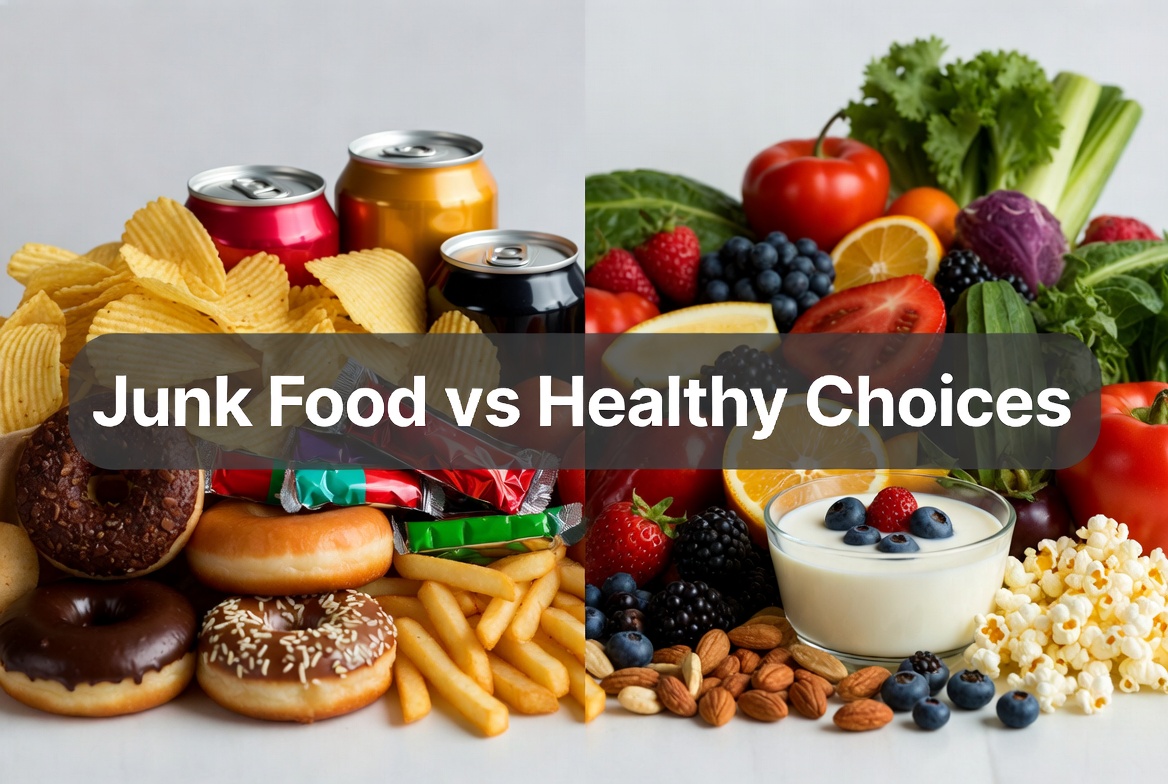
Junk food is characterized by:
- High added sugar
- High sodium
- Unhealthy fats (trans fats and saturated fats)
- Artificial additives and preservatives
- Low fiber and micronutrients
Common Examples of Junk Food in the US:
- Burgers and fries from fast food chains
- Pizza (especially frozen or delivery)
- Potato chips and snack crackers
- Candy, gummies, and chocolate
- Soda, sweetened iced tea, and energy drinks
- Doughnuts, cookies, and cakes
- Processed meats (sausages, deli meats)
- Sweetened breakfast cereals
- Ice cream and sugary frozen desserts
- Instant ramen and packaged snacks
Major Health Risks of Junk Food
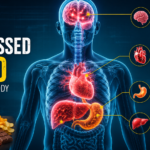
Regular consumption of junk food is linked to numerous chronic conditions according to research from CDC, Harvard, and WH Weight Gain and Obesity.
- Weight Gain and Obesity
Junk foods are engineered to be hyper-palatable, making them easy to overconsume and leading to excess calorie intake.
- Type 2 Diabetes
Frequent blood sugar spikes from added sugars can lead to insulin resistance over time.
- Heart Disease and High Blood Pressure
High sodium and unhealthy fats contribute to hypertension, artery plaque buildup, and increased cardiovascular risk.
- High Cholesterol and Inflammation
Trans fats and additives promote bad cholesterol (LDL) and chronic low-grade inflammation.
- Gut Health Damage
Ultra-processed foods negatively affect your microbiome, leading to digestive issues, bloating, and weakened immunity.
- Mental Health Impact
Studies show strong links between high junk food intake and increased risk of depression and anxiety.
- Effects on Children
Childhood junk food consumption is associated with obesity, ADHD symptoms, poor academic performance, and future health complications.
- Why eating junk food is not good
Because it doesn’t curb hunger or fill you up. Since it doesn’t satisfy the brain’s satiety center, inflammation increases and insulin resistance develops.
Why Is It So Hard to Stop Eating Junk Food?
Junk food is designed by food scientists to trigger pleasure centers in the brain (similar to addictive substances). It disrupts natural hunger signals (ghrelin and leptin), leading to constant cravings and overeating.
How to Stop Eating Junk Food – Practical Tips
Packaged and processed foods may save time, but eating them regularly can harm your health over the long term. Instead of making them part of your daily diet, try limiting them to once or twice a week.
Here are a few simple tricks that can help:
- Instead of eating directly from a full bag of chips, cookies, or chocolate, pour a small portion into a bowl. This makes it easier to control how much you eat.
- Keep fresh fruits within easy reach so you can choose a healthier snack when you’re hungry.
- Make vegetables a regular part of your meals and snacks.
- Drink more water, green tea, or detox water throughout the day to stay hydrated and reduce unnecessary cravings.
- Replace one junk snack per day with a healthier option.
Additional Strategy
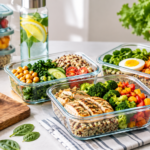
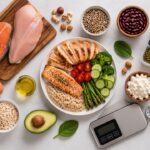
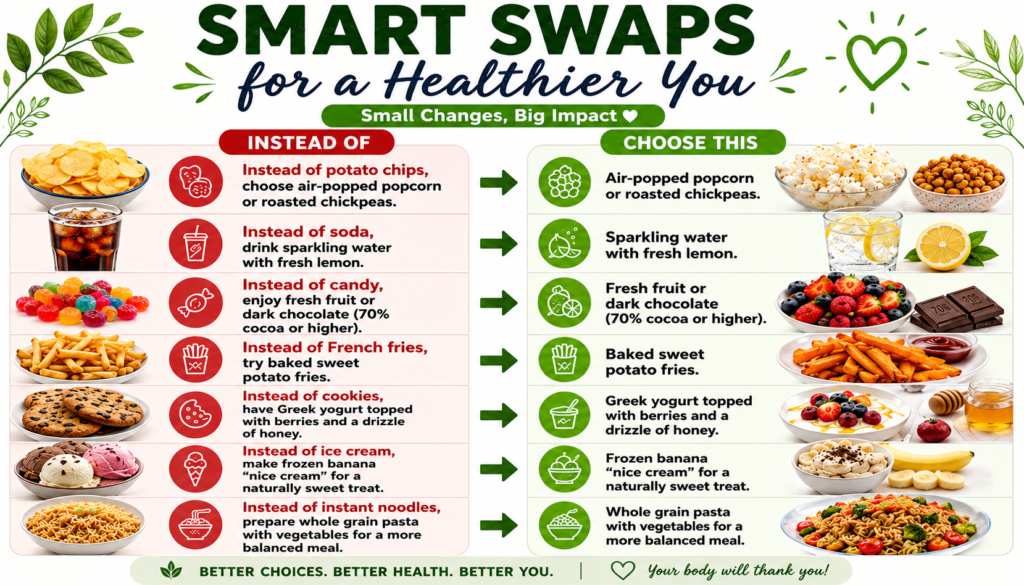
Giving up junk food doesn’t mean giving up delicious food. Replacing unhealthy snacks with healthier options can satisfy your cravings while providing your body with more nutrients.
- Instead of potato chips, choose air-popped popcorn or roasted chickpeas.
- Instead of soda, drink sparkling water with fresh lemon.
- Instead of candy, enjoy fresh fruit or dark chocolate (70% cocoa or higher).
- Instead of French fries, try baked sweet potato fries.
- Instead of cookies, have Greek yogurt topped with berries and a drizzle of honey.
- Instead of ice cream, make frozen banana “nice cream” for a naturally sweet treat.
- Instead of instant noodles, prepare whole-grain pasta with vegetables for a more balanced meal.
Final Words
The bottom line is that controlling your intake of junk food is essential. Although these foods are tasty and convenient, eating them too often can lead to long-term health problems .Junk food doesn’t have to be completely eliminated from your life. The goal is moderation and mindful choices. By understanding what junk food really is and replacing it with nutrient-dense alternatives, you can significantly improve your energy, weight, mood, and long-term health.
Small daily improvements compound into life-changing results.