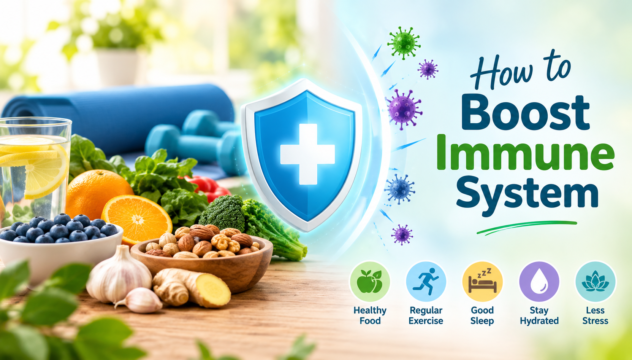
Many people think that simply taking medicine or supplements will increase their immunity. But the truth is, small daily habits play the biggest role in strengthening your body’s own defense system. Are you worried about how to boost immune system?
A proper daily diet, regular exercise, enough sleep, and reducing mental stress—when combined, these four things can help you support your immune system naturally. According to research from the CDC and Harvard, these simple lifestyle changes help increase long-term immunity.
This guide provides science-backed and practical methods for men and women in the United States on how to boost immune system that you can start using from today.
Balanced Diet for Immune System Support
The foundation of the immune system is nutrient-dense whole foods. Immune cells need vitamins, minerals, protein, and healthy fats to develop and function. Severe nutrient deficiencies weaken the body’s defenses, and a varied diet helps keep them strong.
Aim for five to nine servings of colorful fruits and vegetables every day. Citrus fruits, berries, bell peppers, and leafy greens provide vitamin C and antioxidants. Fatty fish, eggs, and vitamin-fortified dairy foods provide vitamin D, while oysters, beef, pumpkin seeds, and legumes provide zinc.
Fermented foods like yogurt or kefir support the beneficial bacteria in the gut. A large part of the immune system lives in the gut, so keeping the microbiome healthy is important. A Mediterranean-style diet, rich in plants, olive oil, nuts, and fish, fits this need well.
A practical tip is to fill your plate with fruits and vegetables first, then add protein and whole grains. Many older adults report fewer colds in a season when they increase their fruit and vegetable intake.
Limit ultra-processed foods high in sugar and saturated fat, because they can increase long-term low-grade inflammation and put stress on the immune system. Including these foods regularly is one of the most practical ways on how to boost immune system through daily nutrition.
How Can We Increase Immunity Through Daily Habits
You can boost your immunity without drastic changes, because small, regular steps add up over time to make a big difference. If you are looking for simple ways on how to boost immune system, start with these daily habits.
Start with drinking enough water. Water supports every process in the body, including the production and circulation of immune cells. Most adults need about eight cups of water a day, and more if they are active or in hot weather.
Avoid smoking and limit alcohol. Tobacco damages the respiratory tract and reduces the performance of immune cells. Excessive drinking can reduce the ability of white blood cells to fight off germs. The CDC considers these two habits fundamental to immune protection.
Maintain a healthy weight. Excess fat, especially around the belly, is linked to higher inflammation and reduces the effectiveness of vaccines for some infections. Gradual changes through diet and physical activity work better than extreme rules.
Vaccines remain one of the most effective methods. They teach the body’s adaptive immune system to recognize specific threats without the risk of a full infection. Get the flu shot, COVID-19 vaccine, and other recommended vaccines on time, based on your age and health conditions.
Best Exercises for Immune System Function
To keep your immune system healthy, you need exercise that is moderate and regular, not extreme or excessive. Regular physical activity lowers the risk of common infections and is one of the most effective methods on how to boost immune system naturally.
A large analysis of about 550,000 people found that those who exercise regularly have roughly a 31% lower risk of catching an infectious disease and roughly a 37% lower risk of dying from one(Chastin et al., 2021). The same research suggests that exercise also helps the body produce antibodies after vaccination.
How much should you do? A simple guide is at least 150 minutes of moderate-intensity exercise a week, or 75 minutes of vigorous exercise, or a mix of the two. Add muscle-strengthening exercises on two days a week. Brisk walking, cycling, swimming and dancing are examples of moderate-intensity activity. There is an easy test: during the activity you should be able to talk, but not sing. If you are short on time, short sessions of 20 to 30 minutes a day are still quite helpful. And if you have not started yet, you can begin with a 15-minute walk and build up gradually.
Here is how exercise works in the body. While you exercise, immune cells such as natural killer cells and T cells circulate in the blood in larger numbers, which makes it easier for the body to detect germs. Over time, this also helps keep inflammation under control. The opposite is worth remembering too: prolonged, intense exertion without rest can temporarily weaken your immunity. So make sure to rest between workouts.
Consider a practical example. Someone who walks for 30 minutes three days a week and does two days of strength training, using body weight or light weights, gets close to the WHO’s minimum recommendation. That alone helps keep the body strong overall, especially as you age.
Essential Vitamins for Immune System Health
Three nutrients are mentioned most often when it comes to keeping the immune system working properly: vitamin C, vitamin D and zinc.
Vitamin C helps keep neutrophils, the body’s first line of defense cells, working well. People who take it regularly tend to have colds that last a little less time. It does not prevent colds completely, but it can shorten the illness somewhat. Citrus fruits, strawberries, kiwi and broccoli are rich in vitamin C. If you do not get enough from food, supplements help the most.
Vitamin D regulates both the innate and the adaptive defenses of the body. When it is lacking, respiratory infections are seen more often. It comes from fatty fish, fortified milk and sunlight. People who live in cold regions or spend most of their time indoors are more likely to be deficient. They can get a blood test on a doctor’s advice and, if needed, take supplements.
Zinc is essential for the development and functioning of T cells. Good sources are shellfish, meat, seeds, lentils and beans. However, too much zinc reduces the absorption of copper in the body, so do not take more than the recommended amount.
Some other nutrients also support the immune system: vitamin A (from carrots, sweet potatoes and leafy vegetables), vitamin E, vitamin B12, selenium and protein. Vitamin B12 plays an important role in the normal functioning of immune cells, and it is found mainly in animal foods such as fish, meat, eggs and dairy. The safest way to get all of these is from food. For people with limited diets, a multivitamin can help fill gaps, but it cannot replace a balanced diet.
Before starting high-dose supplements, especially if you take regular medication or have any health condition, always consult a healthcare provider. Getting these vitamins from food first remains the safest approach on how to boost immune system.
Sleep, Stress Management, and Additional Lifestyle Factors
Sleep is essential for maintaining and restoring immune function. Adults generally need seven to nine hours of sleep each night. While we sleep, the body produces proteins called cytokines, which help fight off infections. Even a few days of lost sleep can reduce the activity of natural killer cells and weaken the body’s response after a vaccination.
When stress continues for a long time, the level of the hormone cortisol in the body rises. Over time, this suppresses the immune system. So it is a good idea to follow some simple ways of easing stress, such as deep breathing, gentle walks, keeping a diary, or talking openly with a friend. Regular moderate exercise is also effective in reducing stress.
Personal and environmental hygiene is just as important. Washing your hands regularly, staying away from other people when you are ill, and keeping surfaces clean at home and at work reduces exposure to germs. This way, the body’s defense system does not have to deal with fresh attacks again and again.
Putting It All Together: Realistic Daily Plan
Start your day with a nutritious breakfast. You could have Greek yogurt with berries and a handful of nuts, or eggs with spinach and whole-grain toast.
After lunch, take a walk for 20 to 30 minutes.
In your afternoon meal, include at least one serving of colorful vegetables.
In the evening, follow a regular bedtime routine to relax your body and mind, so that you sleep well at night.
Do strength training on two days a week, and try to keep your body active for a total of 150 minutes per week.
Keep this up for a month and notice how you feel. Many people find that when they stick with these habits, they have fewer sick days and feel more energetic. An informal observation from a workplace wellness program found that teams who took group walking breaks and chose healthy options in the cafeteria had lower absenteeism during the winter.
Keep in mind that everyone’s needs are different, because they depend on age, current health condition, and lifestyle. What works for a healthy 30-year-old may need some adjustment for someone living with a long-term illness. If you want advice specific to you, talk to your doctor. If your symptoms make you suspect a nutrient deficiency, get a blood test to check your nutrient levels.
Supporting your immune system is a matter of long-term habits, not a quick fix. What really matters is staying consistent with four things: food, exercise, rest, and basic precautions. These steps are in line with the recommendations of major health organizations and give your body the best chance to stay healthy and strong throughout the year when you follow proven methods on how to boost immune system.
Frequently Asked Questions
Can you really boost your immune system quickly?
No single food, supplement, or exercise can boost your immunity overnight. Good results come from sticking to a routine week after week and month after month. So focus on good sleep, a balanced diet, and moderate exercise, and you will see steady, lasting improvement.
What is the single best food for immune health?
No single food is enough. A variety of fruits, vegetables, lean protein, and whole grains is best. You can include citrus fruits for vitamin C, fatty fish for vitamin D, and yogurt for beneficial bacteria in your daily meals.
Do immune-boosting supplements work?
They help most if you have a deficiency. Vitamin C, D, and zinc have the clearest evidence for modest benefits in specific situations. Food sources remain preferred for most people.
How much exercise is ideal for immunity?
Aim for about 150 minutes of moderate exercise in total each week, and include strength training on two days. For supporting your immunity, moderate exercise is safer and more effective than very hard workouts.
Does stress really weaken the immune system?
Yes, being under a lot of stress for a long time can weaken your body’s ability to fight off illness. Easing stress in small ways each day and getting enough sleep help prevent this harm.