Do you stay tired all the time, even after a full night’s sleep? Does your face look paler than before, or do you get out of breath after very little effort? These could be symptoms of iron deficiency, one of the most common nutritional problems among both women and men in the United States. Your body uses iron to make hemoglobin, a protein in red blood cells that carries oxygen throughout the body. When iron runs low, your organs and tissues do not get enough oxygen, and that is when a range of uncomfortable symptoms begin to appear.
Iron deficiency usually does not appear overnight. It builds up slowly. In the beginning, many people notice only mild tiredness or irritability and dismiss it as the result of work pressure or a busy routine. But as the body’s iron stores keep dropping, the symptoms become more obvious, and they can start to disrupt daily tasks, performance, and overall well-being.
A recent study analyzed data from the US National Health and Nutrition Examination Survey (NHANES). It found that about 14 percent of American adults fully meet the criteria for iron deficiency. Another 15 percent or so have functional iron deficiency, meaning the body cannot use iron the way it needs to. This happens even in people who have no anemia and no chronic disease.
Recognizing the symptoms makes it easier to seek medical advice in time. In this guide, we will cover the main signs of iron deficiency, its causes, how much iron you need each day, which foods are rich in iron, the health risks that can be linked to it, and what to do next. All of the information is based on reliable medical sources such as the Mayo Clinic, the NIH, and dietary guidelines.
Common Symptoms of Iron Deficiency
How severe the symptoms of iron deficiency are depends on how deep the deficiency is and how quickly iron levels are dropping. In mild cases, there may be few or no noticeable symptoms. But once the deficiency progresses to iron deficiency anemia, the symptoms become clear.
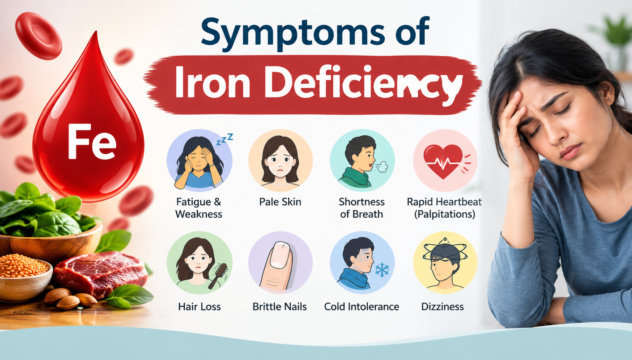
The most common complaints are extreme tiredness and weakness. The muscles and brain receive less oxygen, so even ordinary tasks feel hard. Many people feel completely drained after light exercise or a bit of housework.
Hemoglobin is what gives blood its red color. When it is low, the face, the inside of the eyelids, or the skin under the nails may look pale, and sometimes slightly yellowish. Cold hands and feet, headaches, dizziness, and a lightheaded feeling when standing up are also common.
Problems like shortness of breath, chest pain, or a fast heartbeat can occur because the heart has to work harder to get oxygen around the body. Restless legs syndrome is also linked to iron deficiency. It causes an uncomfortable, strong urge to move the legs, especially at night. Other possible signs include brittle nails, hair loss or thinning, a sore or swollen tongue, and cracks at the corners of the mouth (angular cheilitis).
Some people develop pica, which is an intense craving to eat non-food items such as ice, dirt, clay, or paper. Unusual sensitivity to smells or loss of appetite can also occur, especially in children. On the mental side, people may have trouble concentrating, feel irritable, or be in a low mood. These iron deficiency symptoms can begin even before full anemia develops.
Real-world example:
A busy professional in her 30s might attribute ongoing fatigue and brain fog to work stress, only to discover through bloodwork that depleted iron stores were the root cause. Addressing it often restores energy within weeks to months under medical guidance.
What Causes Low Iron?
There are several reasons why iron levels can drop. In adults, the biggest cause is blood loss. For many women who still have periods, heavy menstrual bleeding is the reason. In men and women after menopause, hidden bleeding in the stomach or intestines can lower iron. Behind this there may be an ulcer, polyps, hemorrhoids, or, less often, cancer. Frequent blood donation, long-lasting nosebleeds, and some medicines that raise the risk of bleeding can also be causes.
Not getting enough iron from food is another cause. This is seen more often in people who eat a vegetarian or vegan diet, because the body absorbs less of the non-heme iron found in plant foods. Not having easy access to iron-rich foods creates the same problem. In addition, the need for iron goes up during pregnancy, during the fast growth of children and teenagers, and during intense sports training.
The body may also fail to absorb iron properly in celiac disease, inflammatory bowel disease (IBD), atrophic gastritis, and after some weight lossMeal Prep Ideas for Weight Loss surgeries that change the digestive system. In other illnesses, long-lasting inflammation can leave iron stored in the body but unusable, which is called functional iron deficiency.
In the United States, red meat consumption has fallen over the past few decades, and the iron content of some processed foods has also dropped. There is concern that these dietary changes are raising deficiency rates in some groups.
How Much Iron Per Day Do You Need?
Daily iron needs depend on age, sex, and life stage. According to guidelines from the US National Institutes of Health (NIH) and the Food and Nutrition Board:
- Adult men (19+) and postmenopausal women: 8 mg per day
- Women aged 19-50: 18 mg per day (to make up for blood lost during periods)
- Pregnant women: 27 mg per day
- Breastfeeding women: about 9-10 mg per day
- Boys aged 14-18: 11 mg per day
- Girls aged 14-18: 15 mg per day
Vegetarians and vegans may need almost twice as much iron, because plant iron (non-heme) is absorbed less well.
The upper limit for adults, from all sources combined, is 45 mg per day.
Most people can meet their needs through food. People with higher needs or absorption problems may need supplements under a doctor’s supervision.
Blood tests (ferritin, hemoglobin, and other markers) detect a deficiency far more accurately than symptoms alone.
What Foods Have Iron?
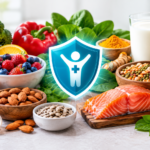
A balanced diet provides both types of iron. Heme iron comes from animal foods, and the body absorbs it easily. Non-heme iron comes from plant foods and iron-fortified foods. When you eat non-heme iron sources, having vitamin C-rich foods alongside them, such as citrus fruits, strawberries, tomatoes, or bell peppers, improves absorption. Avoid having large amounts of tea, coffee, or calcium supplements with iron-rich meals, because these can interfere with iron absorption.
The main sources of iron are:
- Heme iron: oysters and clams (very high iron per serving), beef liver, lean red meat, chicken (especially the dark meat), sardines, and tuna.
- Non-heme iron: iron-fortified breakfast cereals (often a full day’s requirement in one serving), white beans, lentils, spinach, tofu, dark chocolate (45 percent cocoa or more), pumpkin seeds, and dried fruits such as dried apricots or raisins.
- Other sources: potatoes with the skin, nuts, and iron-enriched bread or pasta.
A simple meal example is a spinach salad. Add grilled chicken or lentils, top it with strawberries, and toss it in a citrus vinaigrette. This gives you both types of iron, plus vitamin C, which helps the body absorb iron. In the United States, many people get a large share of their daily iron from fortified grain foods.
What Diseases Are Caused by Lack of Iron?
Untreated iron deficiency usually leads to iron-deficiency anemia, which is the most common type of anemia.
Over a long time, it can also cause other problems:
The risk of heart problems goes up. The heartbeat can become fast or irregular, and in very severe cases it can lead to heart failure.
In pregnancy, the risk of premature birth or a low-birth-weight baby increases.
In children, it can cause delayed development, weaker learning ability, and more frequent infections.
If you have restless legs syndrome, replacing iron often improves it.
Some studies link low iron with weaker immunity and reduced physical ability.
Iron deficiency can also reveal a stomach or gut problem that was already causing bleeding.
Iron deficiency is usually not the only cause of a major illness. Instead, it makes problems worse or more complicated, so catching it early can stop the illness from progressing.
Diagnosis, Treatment, and Prevention
If you have iron deficiency symptoms that last a long time, see a doctor. Testing usually includes a complete blood count (CBC) and tests for ferritin, serum iron, and transferrin saturation.
Treatment first fixes the cause of the deficiency, then uses iron tablets. In some cases iron is given through a vein, and diet changes are also needed.
Most people feel better within a few months, but it can take longer to fully rebuild the body’s iron stores.
To prevent iron deficiency, eat iron-rich foods regularly. This matters even more for higher-risk groups: women of childbearing age, pregnant women, young children, people who donate blood often, and people who have trouble absorbing iron from food.
Adults without symptoms don’t need routine testing. But if you have risk factors or symptoms, testing is a good idea.
Frequently Asked Questions
What are the earliest symptoms of iron deficiency?
Small changes such as feeling mildly tired, not being able to exercise the way you used to, and having trouble keeping your focus are often the first to appear. Many times they begin even before anemia develops.
Can men get iron deficiency too?
Yes. While less common than in women of reproductive age, men can develop it from gastrointestinal blood loss, poor diet, or other causes.
How long does it take to correct low iron levels?
With proper treatment and by fixing the cause of the deficiency, many people start to feel better within 2-4 weeks. But fully rebuilding the body’s iron stores usually takes 3-6 months or longer.
Are there natural ways to boost iron absorption?
Yes, eat iron-rich plant foods together with foods that contain vitamin C (such as lemon, orange, amla, or tomato). If possible, cook in iron pots. Avoid tea and large amounts of calcium (such as milk or calcium tablets) shortly before or after iron-rich meals, because they block iron absorption.
When should I see a doctor for possible iron deficiency?
If you always feel tired, get short of breath for no clear reason, look pale, feel dizzy, have restless legs, or crave unusual things to eat, and these get in the way of daily activities, see a doctor. It matters even more if you have heavy periods, a limited diet, or digestive problems.
Recognizing the symptoms early makes it easier to make the right decisions. A simple blood test can give a clear answer and show the next step. If these symptoms sound familiar, book an appointment with your healthcare provider.