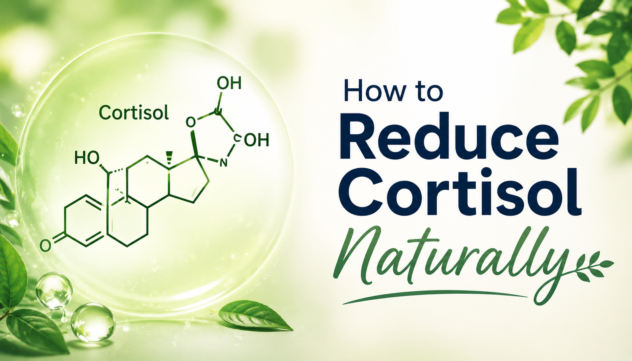
Cortisol is a hormone essential for our survival, but its excess (or very low) levels can silently affect our energy, sleep, and mood. If you’re wondering how to reduce cortisol naturally, research shows that a few simple, evidence-based habits can bring it back under control within weeks. This guide explains what cortisol actually does, what happens when levels become too high or too low, and the exact strategies for how to reduce cortisol naturally.
What Is Cortisol?
Like other hormones in the body, cortisol is a hormone that is produced from 2 glands located above our kidneys, called the adrenal glands. It is known as the “stress hormone.”
When our body faces various illnesses, stressful situations arise, such as fever, or pregnancy, surgery, or being hospitalized due to some illness — in all these situations, the cortisol hormone helps us fight/cope.
Cortisol vs. the “Fight-or-Flight” Response
Cortisol works alongside adrenaline during acute stress. As one physician memorably put it, cite index if you’re being chased by a lion, your body isn’t worried about catching a cold — all its energy goes toward handling the immediate threat. The problem is that modern stressors (emails, deadlines, traffic) trigger the same response, but rarely switch off the way a genuine physical threat does.
Is Low Cortisol Bad?
“Yes — when cortisol decreases, it can create physical problems just like high cortisol. So if it stays low long-term, fatigue and dizziness can appear.
If it’s severe or left untreated, low cortisol can turn into adrenal crisis, which is a medical emergency — severe fatigue, vomiting, and dangerously low blood pressure can occur. This is why chronic low-cortisol symptoms shouldn’t be ignored, and instead of self-treating, one should always get evaluated by a doctor.”
This is accurate as a general description. If you’re noticing these symptoms yourself, it’s worth getting checked out rather than self-diagnosing — cortisol issues need blood/saliva testing to confirm.
Symptoms of Low Cortisol
Low cortisol symptoms develop gradually, which is why they’re often mistaken for ‘just being tired’ or excessive work stress. Common symptoms include:
- Feeling weak all the time, not feeling better even with rest
- Dizziness when standing up from sitting
- Blood sugar can drop,
- Unexplained weight loss and decreased appetite
- Strong craving for salt
- Low blood pressure can occur
- Sometimes fainting-like episodes can occur
- Muscle weakness and joint pain
- Mood being off, or difficulty maintaining focus
Symptoms of High Cortisol
Chronic stress keeps millions of people in a state of high cortisol for extended periods. Common symptoms include:
- Difficulty sleeping
- Weight gain, especially around the belly and face
- Anxiety, a persistent ‘on edge’ feeling
- Purple or reddish stretch marks on the belly or other parts of the body
- Thinning of the skin
- Excess fat accumulation in the face and abdomen
- Restlessness
- High blood pressure
- Slow wound healing
- Weakened immune system
- Irregular periods or reduced libido in women
In rare cases, extremely high and persistent cortisol indicates Cushing’s syndrome, a distinct medical condition that requires clinical diagnosis and treatment, not just lifestyle changes.
If you’re noticing several of these symptoms in yourself or someone else, it may be worth flagging to a doctor rather than trying to manage it through lifestyle changes alone — especially since some of these signs overlap with other conditions too.
How to Reduce Cortisol Naturally: 10 Evidence-Based Methods
Here’s the main answer to how to reduce cortisol without medication. These strategies are based on clinical and exercise-science research.
1. Prioritize sleep consistency
Sleep and cortisol are closely related — aim for 7–9 hours of sleep daily, and keep a fixed time for going to bed and waking up every day, because an irregular schedule slows down the normal cortisol curve. Turn off screens at least 1 hour before sleeping.
2. Choose the right type of exercise
Try walking regularly. Not all workouts lower cortisol equally. Don’t overexercise, as that can raise cortisol.
3. Practice mindfulness and breathing exercises
Do deep breathing exercises daily. Just 10 minutes of slow, diaphragmatic breathing daily can significantly calm the HPA axis over time.
4. Get sunlight and spend time in nature
Research on exposure has shown that spending time outdoors reduces the physiological stress response. Walk on grass .Get sunlight on your body — natural sunlight and being in green spaces has been proven to help reduce cortisol levels. Spending time in nature can calm your mind and reduce stress hormones.
5. Reconsider your caffeine habit
A recent study found a consistent relationship between caffeine intake and cortisol response — having your first tea/coffee 60–90 minutes after waking up, and avoiding caffeine after afternoon, helps keep cortisol levels normal.
6. Eat a nutrient-rich diet Vegetables, various fruits, legumes, and healthy fats like nuts and seeds help keep blood sugar levels stable, which in turn helps keep cortisol levels stable as well.
7. Take care of your gut health To keep gut health in good condition, eat fermented foods and fiber-rich vegetables. All of these support the gut microbiome, which is linked to healthy cortisol and mood regulation.
8. Spend time with friends Spend time with friends, share your joys and sorrows with them — this reduces mental stress and mental wellbeing has an effect on hormones.
9. Consider supplements — with guidance Some supplements, including ashwagandha and fish oil, have shown promising results in certain studies for reducing cortisol. However, supplements don’t work for everyone, so you should always consult with a healthcare provider before taking any supplement.
10. Stay hydrated Dehydration can act as a physical stressor and can raise cortisol levels. So drink adequate water every day.
A Note for Men Specifically
Cortisol and testosterone move in opposite directions. Classic endocrinology research shows that raised cortisol rapidly lowers testosterone levels through direct action on the testes. For men, avoiding long-term overtraining and protecting sleep are the two highest-impact habits, since the majority of daily testosterone production happens at night.
Real-World Example: What Change Can Look Like
Consider a common scenario: a 38-year-old office worker sleeps five to six hours a night, drinks coffee three times a day, and can’t exercise due to lack of time. After maintaining a consistent sleep schedule, taking a 20-minute daily walk, and delaying morning caffeine intake for four weeks, many people in similar situations report that their sleep onset became faster and their energy became more stable — consistent with the general trend in research on combined interventions involving sleep, exercise, and caffeine management, though the specific percentage of cortisol reduction varies widely by individual and by study.
When to See a Doctor
Lifestyle changes help most people with everyday, stress-related cortisol imbalances. However, you should see a doctor if you experience rapid central weight gain with purple stretch marks, severe muscle weakness, fainting, unexplained weight loss, or persistent low blood pressure — these can signal Cushing’s syndrome or adrenal insufficiency, both of which require clinical testing and treatment, not just lifestyle changes.
Frequently Asked Questions
1. How long does it take to reduce cortisol naturally? Most people notice improvements in sleep and stress-response within two to four weeks of consistent changes, though this depends on how chronic the stress has been.
2. What foods lower cortisol the fastest? There’s no single food that lowers cortisol on its own, but a diet rich in whole grains, leafy greens, fatty fish, and fermented foods helps maintain stable blood sugar and improves gut health, which over time supports cortisol regulation.
3. Can low cortisol and high cortisol happen at the same time? This] doesn’t happen at the same time — it becomes irregular, such as being lower in the morning (leaving you sluggish) and higher at night (disrupting sleep) — which is common in chronic stress and burnout
4. Does exercise always lower cortisol? No. Moderate exercise like yoga, walking, or qigong tends to lower cortisol, but very intense or prolonged training without adequate recovery can temporarily raise it, especially in people who are already under chronic stress.
5. Is low cortisol dangerous? It can be. Mild, stress-related dips usually resolve with lifestyle changes, but clinically low cortisol (adrenal insufficiency) is a real medical condition that can become an emergency if untreated, so persistent symptoms warrant medical evaluation.
This article is for educational purposes and isn’t a substitute for personalized medical advice. If you suspect a cortisol-related condition, consult a licensed healthcare provider for testing and diagnosis.