If you’re thinking about boosting metabolism without diet or supplements alone, this guide is for you. No single diet or single supplement can boost metabolism on its own — it’s the combination of everything that creates real impact. Metabolism affects your energy, weight, and overall health. In this guide, we’ll show you science-backed methods of how to boost metabolism naturally — no gimmicks required.
What Is Metabolism? Understanding the Basics
Before moving on to strategies, let’s understand what metabolism is. Simply put, metabolism is the process by which your body converts food and drink into energy. It’s the daily process through which our body’s systems generate and expend energy to keep functioning. It’s essentially your body’s calorie-burning process. A higher metabolism burns more calories, digests food faster and converts it into energy, and prevents fat from accumulating in the body. This happens almost effortlessly — which is exactly why knowing how to boost metabolism matters not just for weight control but for long-term health as well.
How to Increase Metabolism: Science-Backed Strategies
Now that we’ve covered the basics, let’s get into the practical part: how to increase metabolism using habits you can start today.
Does Metabolism Differ Between Men and Women?
Yes — and it’s worth understanding if you’re trying to figure out how to boost metabolism for your specific body. Men generally have more muscle mass and higher resting metabolic rates than women of similar weight, largely due to hormonal and body composition differences.
Women, particularly those with lower iron levels, may experience more fatigue-related metabolic slowdown. This doesn’t mean women can’t build an efficient metabolism — it simply means strength training and adequate iron intake are especially valuable strategies for female readers.
Metabolism-Increasing Foods to Add to Your Diet
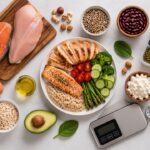
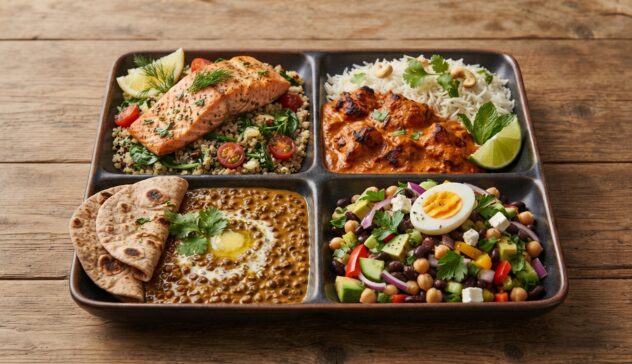
Certain metabolism-increasing foods can give your body a natural, gentle boost through digestion and nutrient composition::
Foods That May Support a Healthy Metabolism
- Lean protein, such as chicken, eggs, tofu, and fish: Protein has the highest thermic effect of all three macronutrients, meaning your body uses more energy to digest and process it than it does for carbohydrates or fats.
- Whole grains, such as oats, quinoa, and brown rice: A 2017 study found that replacing refined grains with whole grains was associated with increased calorie loss and changes in resting metabolic rate. However, the overall effect was relatively modest.
- Chili peppers and spicy foods: They contain capsaicin, a compound that may slightly increase calorie burning and energy expenditure.
- Green tea and coffee: These beverages contain compounds such as caffeine and catechins that may temporarily increase energy expenditure. However, the effects are generally small and can vary from person to person.
- Beans and lentils: They are rich in plant-based protein and fiber. Because protein requires more energy to digest, and fiber supports fullness and healthy digestion, beans and lentils can be a nutritious addition to a weight-management diet.
- Apple cider vinegar: Some studies suggest that apple cider vinegar may help with appetite control and blood sugar management in some people. However, there is limited evidence that it directly increases metabolism or causes significant weight loss. It should not be considered a weight-loss solution on its own.
You do not need to completely eliminate foods made from wheat. Instead, try to choose whole-grain, high-fiber options more often and limit highly refined or heavily processed foods.
A balanced, protein-rich eating pattern that includes vegetables, fruits, whole grains, healthy fats, and other nutrient-dense foods can help support your weight-management goals.
Best Vitamins to Help Boost Metabolism
No single vitamin can dramatically change your metabolism, but vitamin deficiencies can impair normal metabolic processes. The vitamins and minerals most relevant to supporting a healthy metabolism include:
- B-complex vitamins (B1, B2, B3, B6, and B12): They are essential for converting food into usable energy. Deficiencies can contribute to fatigue and impaired energy metabolism.
- Vitamin D: Low vitamin D levels have been associated with reduced muscle function and metabolic health.
- Iron: Iron is essential for transporting oxygen throughout the body and supporting energy production. Iron deficiency, which is common in women, can contribute to fatigue and reduced physical performance.
- Magnesium: Magnesium is involved in more than 300 enzymatic reactions in the body, many of which are important for energy production and metabolism.
Eating a balanced diet that includes fruits, vegetables, leafy greens, whole grains, and other nutrient-dense foods can help provide these vitamins and minerals naturally. Supplements are generally most useful when a deficiency has been identified or when a healthcare professional recommends them.
Even the vitamins and minerals that support healthy metabolism work best as part of a bigger picture: a balanced diet, regular physical activity, adequate sleep, and other healthy lifestyle habits.
A Practical Case
Common Mistakes That Slow Metabolism
- Avoiding protein: Relying heavily on carbohydrate- and fat-based foods while not getting enough protein can reduce the thermic effect of food and make it harder to maintain muscle mass.
- Chronic lack of sleep: Consistently getting too little sleep can disrupt hormones involved in appetite regulation and energy balance.
- A sedentary lifestyle: Spending long periods sitting can reduce your total daily energy expenditure.
- Ignoring stress management: Chronic stress and elevated cortisol levels can affect appetite, sleep, food choices, and weight-management efforts.
- Relying solely on supplements: No supplement can replace the combined benefits of adequate protein, regular physical activity, quality sleep, and a balanced diet.
- Crash dieting: Severe calorie restriction can lower resting metabolic rate (RMR) as the body adapts by conserving energy.
When you’re working on supporting your metabolism over the long term, avoiding these common mistakes is just as important as adopting healthy habits.
Frequently Asked Questions
1. What is metabolism, in simple terms? Metabolism is the process by which your body converts food and drink into energy, including calories burned at rest and during activity.
2. How to boost metabolism fast? There’s no truly “fast” fix, but eating more protein, staying hydrated, and doing a short strength workout can give a same-day boost to calorie burn.
3. What vitamin helps boost metabolism the most? B-complex vitamins are most directly involved in energy metabolism.
4. Do metabolism-boosting foods actually work? Yes, to a modest degree. Foods like lean protein and whole grains increase the thermic effect of digestion, meaning you burn slightly more calories processing them.
5. Does metabolism slow down with age? Research shows metabolic decline is gradual and often linked to muscle loss rather than age itself — which is why strength training becomes increasingly important over time.
Final Words
Learning how to support your metabolism naturally does not require extreme measures. It is about building consistent, evidence-based habits: building muscle, getting enough protein, choosing whole grains, getting quality sleep, and managing stress. These small, everyday choices can add up to meaningful and sustainable results over time.
This article is for informational purposes only and is not a substitute for professional medical advice. Consult a healthcare provider before making significant changes to your diet or exercise routine, especially if you have an underlying health condition.