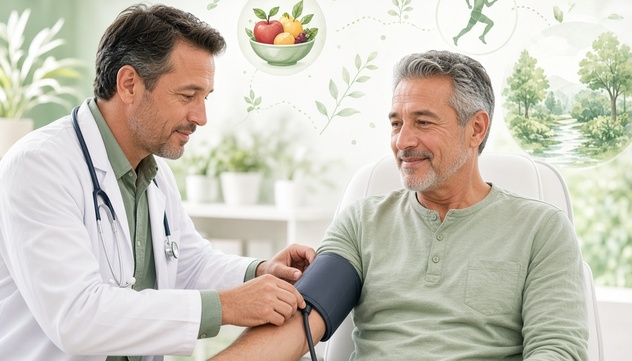
Nearly half of American adults now have high blood pressure, and most don’t realize it until it’s caught during a routine checkup.
The number of high blood pressure patients worldwide is very large. It’s often referred to as the “silent killer” because it usually appears first without any visible symptoms. Since nearly half of U.S. adults now have high blood pressure, here’s the good news: there are proven, natural ways to lower high blood pressure without waiting for a prescription — and this guide walks through exactly what works, why it works, and how to start today, step by step. This guide is built for real life.
What Is High Blood Pressure?
Our body’s blood vessels work like rubber — they constrict and dilate as needed. When a blood vessel becomes stiff, it can no longer dilate properly, and blood flow gets obstructed. That’s when high blood pressure, or hypertension, occurs.
Doctors generally define a reading of 130/80 mmHg or higher as high blood pressure. It’s often called the “silent killer” because it rarely causes obvious symptoms — about 1 in 6 adults with high blood pressure doesn’t even know they have it.
If left uncontrolled, it silently increases your risk of heart attack, stroke, blurred vision, and kidney disease. That’s exactly why catching it early — and managing it naturally where possible — is so important.
Healthy Blood Pressure: What’s the Target?
A healthy blood pressure reading sits below 120/80 mm Hg. Here’s a quick breakdown most doctors use:
- Normal: below 120/80 mm Hg
- Elevated: 120–129 systolic, under 80 diastolic
- Stage 1 hypertension: 130–139 systolic or 80–89 diastolic
- Stage 2 hypertension: 140/90 mm Hg or higher
If you’re consistently landing in the “elevated” or “Stage 1” range, lifestyle changes alone can often bring numbers back down before medication is even discussed with your doctor.
Just How Common Is This Problem?
The prevalence of high blood pressure in the United States is genuinely striking. According to the CDC, nearly half of American adults — 48.1%, or about 119.9 million people — have high blood pressure. It also varies by sex: men (50%) have a higher rate of high blood pressure compared to women (42.1%).
Eating foods rich in fruits and vegetables and low in sodium, along with staying physically active — these healthy lifestyle habits help prevent high blood pressure. This isn’t just theory — it’s the first line of defense that doctors actually recommend.
How to Lower Blood Pressure Fast (Safely)
1. Cut Sodium Immediately Sodium is something you can reduce quickly.
Cut back on packaged foods, added salt, fast food, and processed meats. Oil, ghee, and butter don’t need to be eliminated entirely, but keep portions moderate and limit fried foods and red meat. Smoking raises blood pressure, so avoid that as well.
Ginger and some spices are thought to offer mild benefits, but they are not a “superfood” or a substitute for treatment.
⚠️ If blood pressure spikes suddenly (180/120 or higher) — don’t just sit and wait. Contact a doctor immediately or go to the emergency room. This can be a medical emergency.
3. Manage Stress in the Moment Simple breathing exercises — inhale for four counts, hold for four, exhale for four — can bring about a temporary, measurable reduction in blood pressure.
What Lowers Blood Pressure? The Full Toolkit
Blood Pressure Diet: What to Eat and Avoid
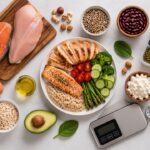
The DASH diet (Dietary Approaches to Stop Hypertension) is the most researched diet for high blood pressure — and its results are hard to ignore.
In the original clinical trial, among participants with hypertension, the DASH-style combination diet lowered systolic and diastolic blood pressure by 11.4 and 5.5 mmHg respectively more than the control diet.
Foods to prioritize:
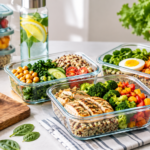
- Leafy green vegetables, berries, and citrus fruits — include a variety of fruits in the daily diet
- Whole grains like oats and brown rice
- Low-fat dairy, lean poultry, and fish
- Beans, lentils, and unsalted nuts; fat-free yogurt and plain yogurt; limit oil to 2–3 tablespoons per day, avoid more than that
Foods to limit:
- Processed meats and canned goods
- Fast food and fried snacks
- Sugar, sugary drinks, and foods with added sugar
- Table salt and excess sodium; reduce use of high-sodium seasonings
A clear example: a trial published in NEJM in 2001 found that combining the DASH diet with a low-sodium intake lowered average systolic blood pressure in hypertensive participants by 11.5 mmHg compared to a typical high-sodium diet — a reduction through diet alone that approaches near-medication-level results.
Blood Pressure and Exercise: What Actually Works
Not all exercise affects blood pressure equally, but a mix of the following types delivers the most consistent results:
- Aerobic exercise: Walking, jogging, cycling, or swimming for 150 minutes a week (about 30 minutes, five days a week) is the gold-standard recommendation.
- Strength training: Two sessions a week supports long-term cardiovascular health and helps with the weight management piece.
- Flexibility and breathing work: Yoga and tai chi combine movement with stress reduction, offering a two-for-one benefit for blood pressure.
For entrepreneurs and teachers short on time, even breaking movement into three 10-minute walks throughout the day delivers similar benefits to one longer session.
A Real-World Example
Consider a common scenario health researchers cite often: a middle-aged adult with Stage 1 hypertension who commits to the DASH diet, daily walking, and reduced sodium for 8–12 weeks. Based on the pooled clinical evidence above, a realistic and achievable outcome is a systolic drop in the range of 6–11 mm Hg — enough, in many cases, to move someone out of the hypertension range entirely without medication.
This mirrors what researchers have consistently found: lifestyle change isn’t a “nice to have” alongside treatment — for many people with modestly elevated blood pressure, it’s the treatment.
Bringing It All Together
Natural ways to lower high blood pressure work best when used together, not in isolation. Cutting sodium alone helps a little; combining it with the DASH diet, regular physical activity, better sleep, and stress management increases the likelihood of getting good results. So these habits aren’t a side note to your health — they’re the foundation.
Start small: swap out one sugary snack today, add a bit more exercise time this week compared to last week, and build from there. Track your readings, share them with your doctor, and adjust as you go.
This article is for general educational purposes and isn’t a substitute for personalized medical advice. Always consult a healthcare provider before making major changes to your diet, exercise routine, or medication.
Frequently Asked Questions
1. What is considered high blood pressure? A reading of 130/80 mm Hg or higher is generally classified as high blood pressure (hypertension), while a healthy blood pressure sits below 120/80 mm Hg.
2. How can I lower my blood pressure fast without medication? Cutting sodium, taking a brisk daily walk, and practicing slow breathing exercises can produce noticeable improvements within days to a few weeks, though results vary by individual.
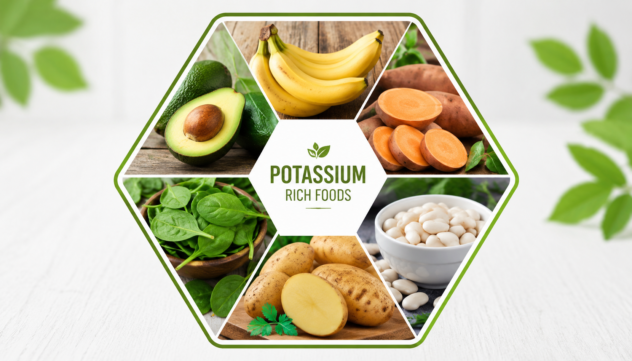
3. What foods lower blood pressure naturally? Potassium-rich foods like bananas and leafy greens, along with the DASH diet’s emphasis on fruits, vegetables, whole grains, and low-fat dairy, are among the most researched natural options.
4. Does exercise really lower blood pressure? Yes — 150 minutes of moderate aerobic activity per week, combined with strength training, is one of the most consistently effective natural ways to lower high blood pressure over time.
5. Can stress alone cause high blood pressure? Chronic stress contributes to sustained high blood pressure by keeping the body in a heightened state, so managing it through breathing exercises, sleep, and downtime is an important part of natural blood pressure control.