Trying to lose weight despite a busy lifestyle? Simple meal prep ideas for weight loss can make it work. Whether you’re juggling work and the gym, or managing family life alongside your fitness goals — a little prep ahead of time turns healthy eating from a daily struggle into an easy habit.
Meal prepping helps you maintain a steady calorie deficit while keeping protein intake high and hunger in check. Research — including the NutriNet-Santé study of over 40,000 adults — shows that people who plan their meals regularly tend to have better diet quality and a lower risk of obesity. They also eat more vegetables, consume fewer processed foods, and stay more consistent with their goals.
This guide covers how to get started with meal prepping, strategies for eating more while keeping calories low, ready-made recipes, and practical tips for sticking with it long-term. Everything here is grounded in dietitian-backed advice and evidence-based practices, so you can follow it with confidence.
Why Meal Prep Works for Sustainable Weight Loss
Meal prep eliminates decision fatigue. When healthy meals are already portioned out in the fridge, the likelihood of ordering takeout or grabbing high-calorie snacks drops significantly.
Research shows that people who regularly cook at home and plan their meals in advance typically lose fat gradually, at a rate of 1-2 pounds per week. This is because cooking at home lets you know exactly what ingredients are in your food (amounts of oil, sugar, salt), which are often hidden in restaurant or packaged foods. Having a plan in advance reduces the chances of choosing unhealthy food when sudden hunger strikes.
Volume eating is a strategy where you eat more of foods that are high in volume/weight but low in calories. For example: vegetables (like cucumber, tomato, squash, broccoli, spinach) — these are high in water and fiber, low in calories.
When you try to lose fat by cutting calories, your body can break down muscle as well as fat if you don’t get enough protein. That’s why—getting adequate protein helps your body preserve muscle while losing mainly fat.
Losing fat gradually (1-2 pounds per week), eating home-cooked meals, filling your plate with low-calorie vegetables, and getting enough protein at every meal — these four habits together make the weight loss process easier, more sustainable, and healthier.
How to Start Meal Prepping for Weight Loss
Instead of trying to prepare every meal at once on day one, start small.
Step 1: Set a realistic calorie range. Most women aiming for steady loss do well around 1,400–1,800 calories; most men around 1,800–2,200. Use a free TDEE calculator and subtract 300–500 calories for a moderate deficit. Consult a doctor or registered dietitian if you have medical conditions.
Step 2: Choose 3–4 simple recipes for the first week. Choose a protein source, a high-fiber carbohydrate, and non-starchy vegetables.
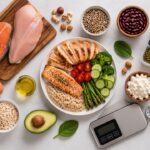
Step 3: Make a list before shopping. Buy chicken breast or thighs, lean ground turkey, eggs, Greek yogurt, broccoli, spinach, bell peppers, sweet potatoes, brown rice or quinoa, and beans.
Step 4: Dedicate 2 hours on Sunday. Cook proteins and grains in bulk, roast a big tray of vegetables, then portion into containers. Store sauces separately.
Step 5: Use the mix-and-match method. Prep components separately so you can create different flavor combinations each day and avoid boredom.
This approach to how to start meal prepping builds the habit without overwhelm.
High-Protein Weight Loss Meal Prep Ideas
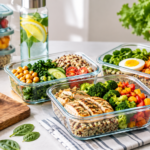
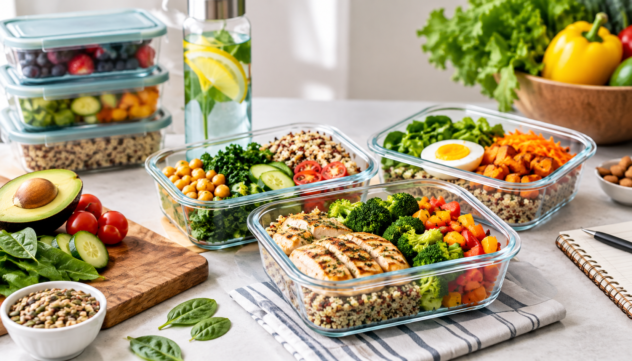
Volume eating is one of the most effective tools of meal prep for weight loss.. Fill half your container with non-starchy vegetables, one-quarter with lean protein, and one-quarter with complex carbs.
Chicken and Veggie Power Bowls
Cook 2–3 pounds of chicken breast seasoned with garlic, paprika, and lime. Roast broccoli, zucchini, and bell peppers with a light spray of olive oil. Portion with ¾ cup cooked brown rice or cauliflower rice.
Approximate macros per serving: 400–450 calories, 35–40g protein. Add salsa or hot sauce for flavor without many extra calories.
Turkey Taco Bowls
Brown lean ground turkey with taco seasoning. Pair with black beans, corn, lettuce, tomatoes, and a measured portion of rice or quinoa. Top with a spoonful of Greek yogurt instead of sour cream.
These bowls reheat well and keep for 4 days in the fridge.
Sheet-Pan Salmon and Rainbow Vegetables
Place salmon fillets and mixed vegetables (broccoli, carrots, peppers, asparagus) on one sheet pan. Season simply and bake. This high-protein option delivers omega-3s and cooks in under 25 minutes.
A dietitian-approved choice that supports both weight loss and heart health.
Overnight Oats with Protein Boost
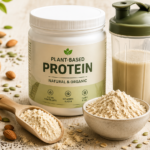
Mix rolled oats, unsweetened almond milk or Greek yogurt, chia seeds, and a scoop of protein powder. Top with berries in the morning.
Ideal for busy mornings and typically lands between 300–400 calories with solid protein and fiber.
Egg Muffin Cups
Whisk eggs with spinach, mushrooms, peppers, and a little cheese. Bake in muffin tins. Freeze extras for quick breakfasts or snacks.
One or two muffins plus fruit make a balanced, portable start to the day.
White Bean and Turkey Chili
Batch-cook chili with lean turkey, beans, tomatoes, and plenty of vegetables. It freezes beautifully and tastes even better the next day.
High in fiber and protein, this is a filling dinner that supports a calorie deficit.
Sample 5-Day Weight Loss Meal Prep Framework
The “3+2+1” method is a simple meal prep strategy. The idea is: you cook 3 protein sources + 2 carb bases + 1 large batch of vegetables all at once. Then you mix and match them throughout the week to make different meals — no need to cook from scratch every time.
Example:
- Proteins (3): chicken breast, ground turkey, boiled eggs
- Carbs (2): rice and sweet potato
- Vegetables (1 batch): roasted broccoli, bell peppers, and onions together
With these 6 components, you can combine them in various ways to make bowls — like chicken + rice + veggies one day, turkey + sweet potato + veggies another day.
Breakfast (morning): overnight oats made the night before, or egg muffins made in a muffin tin — both can be prepared ahead and kept in the fridge.
Main meals (lunch/dinner): bowls made from the protein + carb + vegetables above.
Snacks: Greek yogurt with berries, boiled eggs, or carrot sticks with hummus — these are quick and require little extra prep.
A typical prepared meal like this usually provides 400–500 calories and 30+ grams of protein. Once you cook the base ingredients, you can store them in the fridge/freezer and mix-and-match meals throughout the week.
Practical Tips for Success and Food Safety
Buy good-quality glass containers or BPA-free plastic containers. Label the containers with the date, so you know how old each one is.
Cooked protein and rice/carbs stay good in the fridge for up to 3–4 days. If you have extra portions, freeze them so they don’t go to waste.
Reheat the food thoroughly before eating. And to enhance flavor, add herbs, lemon juice, or avocado right at the very end — adding them too early will cause the taste to spoil.
In the beginning, if it helps, you can roughly track the calories and protein of your meals. But you don’t need to be perfectly precise — what matters most is consistency. Research shows that people who track their meals most days of the week lose significantly more weight than those who track irregularly.
Real-World Results and What the Evidence Shows
A French study of over 40,000 adults found that people who plan their meals have higher diet quality scores and a lower likelihood of obesity. Another study says that trying to eat something new all the time leads to decision fatigue — instead of dealing with the hassle of thinking up something new every day, eating a few simple, healthy meals repeatedly can actually lead to greater long-term success.
Many people report losing 5–10 pounds in the first month simply by cutting out eating out and controlling portions through advance meal planning. (It’s not enough to just keep calories and macros in check — how natural or minimally processed the food is also plays an important role in weight loss.)
Of course, results can vary — consistency, sleep, and physical activity matter too.
Common Mistakes to Avoid
- Getting exhausted trying to cook too many things at once — Making many different dishes in one day is tiring, which causes many people to give up halfway.
- Under-seasoning — Using too little spice makes food bland, and eating the same plain taste repeatedly leads to boredom.
- Forgetting about vegetable portions — Many people focus so much on protein and carbs that they skimp on vegetables.
- Hidden calorie increases — Using heavy sauces or too much oil can quietly add a lot of calories without you realizing it.
- Skipping protein — This is the biggest mistake, since protein is what keeps you full and satisfied.
Solution:
Instead of heavy sauces or calorie-dense toppings, use spices, lemon juice, vinegar, and herbs — this adds flavor without adding calories.
Meal prep only works when it can be done consistently, week after week. So start with simple structures instead of overcomplicating things. Focus more on protein and portion sizes, and adjust what works based on your own schedule and preferences.