Protein is one of the three key nutrients we get from food. With so many options out there, finding the best protein powder for women can feel confusing. Protein needs change at different stages of life. This guide has been put together with research-backed information and practical advice, so you can make a smart choice that fits your goals and lifestyle.
We get protein through our daily diet, but many women struggle to meet their daily protein targets through food alone. Generally, people who exercise regularly or engage in physical activity need 1.6 to 2.2 grams of protein per kilogram of body weight per day. In reality, many people don’t get this much protein from food, which leaves a gap. A simple way to fill this gap is with a protein powder.
What Is the Best Protein Powder?
No single brand is the best for everyone — but the following options consistently appear on experts’ preferred lists: A good protein powder should have:
- 20–30 grams of protein per serving
- Low sugar (under 5 grams)
- All the essential amino acids the body needs
- Third-party testing — meaning it’s verified to be free of adulteration or harmful substances
Among the top evidence-based choices that consistently rank highly in expert reviews are:
1. Optimum Nutrition Gold Standard 100% Whey
- About 24 grams of protein
- Mixes easily, reasonably priced
- A good starting point for beginners
2. Dymatize ISO100 (or similar Whey Isolate products)
- Low in lactose and fat
- Good for those with sensitive stomachs or who want leaner macros
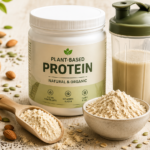
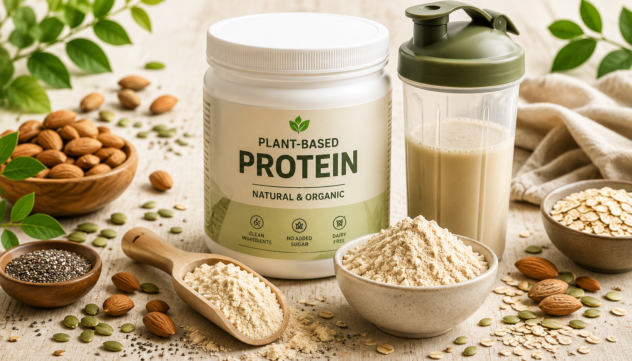
3. Vega Sport Premium or Garden of Life Sport (plant-based)
- For those avoiding dairy products
- Provides 25–30 grams of protein from a blend of multiple plant sources (such as pea, rice, etc.)
What to check before buying:
- Whether the package has the NSF Certified for Sport or Informed Sport logo
- This logo confirms that the product matches its label claims and is free of banned/harmful substances
In short: For general use, Whey Isolate or a high-quality Whey Blend works best, especially when combined with strength training.
How Is Protein Powder Made?
Understanding the manufacturing process builds trust in what you eat
How whey protein is made:
- Whey is actually a byproduct of cheese-making
- First, milk is pasteurized (sterilized)
- Then enzymes are used to separate the curd (the cheese part) from the liquid whey
- This liquid whey is filtered (through ultrafiltration/microfiltration) — this increases the protein content and removes most of the lactose and fat
- It’s then spray-dried to convert it into powder
- To make isolate powder, it goes through additional filtering, giving it a protein purity of about 90% or higher
How plant-based protein is made:
- Made from peas, rice, or other crops
- These are cleaned and ground, then water and pH are adjusted, and centrifugation (spinning) is used to separate the protein from starch and fiber
- This liquid/thick mixture is dried into powder
- Since a single source doesn’t provide all the amino acids, two or more sources (like pea + rice) are combined — so a complete amino acid profile is achieved
What good companies do:
- To maintain protein quality and use fewer chemicals, they prioritize cold processing or gentle methods.
Benefits of Protein Powder
Beyond just building muscle, protein powder helps support multiple goals. It helps preserve muscle during weight loss, improves metabolism, and supports fat loss while maintaining muscle mass. It’s important for supporting the immune system, and increases satiety, keeping you feeling full for longer. It can improve the body’s ability to fight infections and illness, and may help control blood sugar levels. For women, these benefits are especially important during times of higher need, such as postpartum recovery, perimenopause, or regular strength training.
One study found that whey protein supplementation in women resulted in a slight increase in muscle mass (about 0.37 kg on average), with no significant change in fat mass — though the effect is greater when combined with calorie control.
According to a 2022 systematic review and meta-analysis published on PubMed Central (Whey Protein Supplementation in Postmenopausal Women Study), whey protein combined with resistance training improved lean mass and strength in postmenopausal women.
Protein Powder for Muscle Gain
Combining exercise (especially weight/resistance training) with adequate protein makes the muscle-building process work best. Doing exercise alone or eating protein alone doesn’t produce as good results as doing both together.
One study tested trained young women, giving them 30 grams of whey protein right after exercise. It was found that this 30 grams of protein effectively activated the muscle-building process. This effect lasted not just for a short period (4–8 hours), but also over a longer period (24 hours).
For muscle growth, prioritize a powder rich in leucine (the primary amino acid trigger), and time your intake around training — for most people, it’s best to consume it within a few hours after exercise. Aim for 20–40 grams per serving. Research has shown that those who added whey while lifting weights saw greater increases in muscle mass and strength compared to training alone, especially when overall dietary protein was controlled.
Are Protein Powders Healthy?
When chosen carefully, yes—for most healthy adults. They are a convenient tool, not a magic solution or replacement for whole foods. Potential downsides include digestive discomfort (especially with lactose-containing whey if you are sensitive), added sugars or artificial ingredients in lower-quality products, and the possibility of contaminants such as heavy metals in some powders.
Clean Label Project testing has highlighted elevated heavy metals in certain products, especially some plant-based ones grown in contaminated soil. Mitigate risk by selecting third-party tested brands and rotating sources. People with kidney disease should consult a doctor before increasing protein significantly. Moderate use (one to two servings daily within overall needs) is generally well tolerated.
Focus on short ingredient lists, minimal sweeteners, and certifications. Unflavored or lightly flavored options give more flexibility for smoothies, oatmeal, or baking.
How to Choose the Right One for Your Needs
Prioritize your preferences:
If dairy products don’t cause digestive issues for you and you train regularly:
Then choose whey isolate or a good-quality whey blend. This is absorbed quickly.
If dairy causes problems (lactose intolerance) or you prefer to eat plant-based:
Choose a vegan/multi-source protein that has at least 20–25 grams of protein per scoop, made from a blend of multiple plant sources (such as pea + rice), so that all essential amino acids are provided.
Always check the label for protein per serving, total calories, sugar, and any proprietary blends that hide amounts. Taste matters—if you dislike it, you will not use it consistently. Many women start with sample sizes or single-serve packets.
Practical Tips for Best Results
Mix protein powder with water, milk, or another liquid. Add fruit, Greek yogurt, or nut butter for a balanced snack. Use it not as a meal replacement, but as a way to boost nutrition. Track your total daily protein intake from all sources.
For the best changes in body composition (muscle, strength), do strength training (lifting weights or resistance exercise) 2 to 4 times a week.
Women over 40 or postmenopausal women may particularly benefit from consistently high protein intake to help protect against age-related muscle loss. Taking protein powder alone won’t give good results — for good results, you need regular exercise and adequate protein intake.