Gut health has become a major focus for Americans seeking better energy, immunity, digestion, and overall wellness. With trillions of microbes living in your digestive tract, supporting them can make a real difference in how you feel every day. This article breaks down what gut health is, 7 signs of a healthy gut, the best and worst foods, practical ways to improve and heal your gut naturally, and the drinks that support healing.
Foods Good For Gut Health: Complete Guide.
What Is Gut Health?
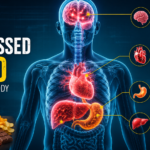
Gut health refers to the optimal functioning of your gastrointestinal tract and the balance of the microbiome—the community of bacteria, fungi, and other microbes in your intestines. A healthy gut efficiently digests food, absorbs nutrients, supports immune function (about 70% of your immune system lives in the gut), and produces important compounds like short-chain fatty acids that reduce inflammation.
When the microbiome is diverse and balanced, it helps protect against issues like bloating, irregular digestion, fatigue, and even broader health concerns. Modern diets high in processed foods, stress, antibiotics, and lack of fiber often disrupt this balance.
7 Signs of a Healthy Gut
Look for these positive indicators from gastroenterologists and experts:
Regular, predictable bowel movements: stable (e.g., 1–2 times a day or every other day), with easy passage of stool without straining.
Well-formed, comfortable stools: soft, smooth, sausage-shaped (Bristol Stool Scale types 3–4), typically brown, with no slight discomfort or feeling of incomplete emptying.
Mild bloating or gas: Occasional is normal, but frequent issues indicate an imbalance.
Stomach rumbling between meals : This “borborygmi” indicates your gut’s natural housekeeping (migrating motor complex) is working.
Stable Energy and Mood: Proper nutrient absorption and positive signals from a healthy gut microbiome help maintain steady energy levels, better focus, and overall emotional well-being.
Strong Immune System: You get sick less often and recover more quickly from common illnesses.
Good Tolerance to a Variety of Foods: You can enjoy a wide range of foods without experiencing significant digestive discomfort.
If these signs are missing, simple changes to your diet and lifestyle can often help restore balance and support better gut health.

Best Foods for Gut Health
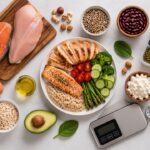
Focus on probiotic foods (live beneficial bacteria), prebiotic fibers (that feed good bacteria), and anti-inflammatory whole foods. Aim for variety and consistency.
Fermented foods:
You should consume probiotic foods—Yogurt (with live active cultures), kefir (up to 12+ strains), kimchi, fermented rice water, pickles ,sauerkraut (unpasteurized), miso, and tempeh. These introduce beneficial microbes.
High-fiber plants:
You need to add prebiotics like ,oats, garlic, Beans (like black beans), lentils, , barley, apples, berries (raspberries are excellent), bananas (especially slightly green for resistant starch), asparagus, onions, artichokes, and leeks.
Other standouts:
Ginger (anti-inflammatory), beets, broccoli/broccoli sprouts, avocados, nuts, seeds (chia, flax), and whole grains.
Experts recommend a Mediterranean-style pattern: plenty of plants, healthy fats, and fermented items daily for microbiome diversity.
Worst Foods for Gut Health
These can disrupt the microbiome, promote inflammation, or damage the gut lining:
Ultra-processed foods (UPFs):
Packaged snacks, sugary cereals, fast food—high in additives, emulsifiers, and low in fiber.
Fried foods and unhealthy fats:
Deep-fried items, processed meats, excessive saturated/trans fats.
Added sugars and artificial sweeteners:
Soda, candy, pastries—feed harmful bacteria and promote inflammation.
Excess red/processed meats and alcohol (in large amounts).Limit these and prioritize whole foods for better results.
How to Improve Your Gut Health
Start with daily habits:
Consume 25–30+ grams of fiber from a variety of plants.
Include probiotic and prebiotic foods in most meals.
Drink enough water (water is the foundation).
Manage stress; it is very important, because without controlling stress, it’s not possible to maintain good gut health.
Maintain regular physical activity and get enough sleep. Ensure a varied, colorful plate of food. Aim to consume over 30 different plant-based foods each week.
Small, sustainable changes compound over time.
How to Heal Your Gut Naturally
Healing focuses on reducing irritation, nourishing the lining, and rebuilding the microbiome:
Eliminate triggers temporarily (e.g., processed foods, personal sensitivities) and eat anti-inflammatory whole foods.
Support with fiber, fermented foods, and bone broth (rich in glutamine for the gut lining).
Stay consistent with hydration, sleep, and gentle movement.
Reintroduce foods gradually once symptoms improve to expand tolerance.
Be patient—improvements can start in days to weeks, but full balance often takes months.
Consult a doctor or registered dietitian for personalized advice, especially with conditions like IBS or IBD.
What Drinks Heal Your Gut?
Hydration supports everything else. Top options include:
Water — Essential for digestion, mucus production, and regularity. Aim for plenty throughout the day.
Kefir and kombucha — Probiotic-rich fermented drinks that boost microbial diversity.
Ginger tea or fennel tea — Soothe inflammation, reduce bloating, and aid motility.
Green tea — Antioxidants with mild benefits.
Bone broth — Provides collagen and amino acids for gut lining repair.
Avoid sugary or artificially sweetened beverages, which can counteract benefits.
Final Tips for US Readers
For long-lasting results, combine a healthy diet with physical activity, stress management, and adequate sleep. A healthy gut supports everything from immunity to mood and energy.
Small efforts lead to big changes. Start today with one or two of your best foods or drinks, and from there move toward better gut health and overall well-being.