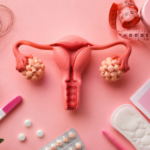
In today’s busy world, many families prefer to have fewer children so they can better manage their household and daily responsibilities. That’s why birth control has become an important part of family planning. Birth control refers to the use of various methods or devices to prevent pregnancy.
Whether you’re taking birth control pills, using an IUD, getting the birth control shot, or relying on a hormonal implant, it’s natural to wonder about the long-term effects on your body.
If you’ve ever asked questions like “What is birth control?”, “How does birth control work?”, “Does birth control stop periods?”, or “How long does birth control take to work?”, this guide covers everything you need to know while focusing on the long-term side effects of birth control.
What Is Birth Control?
Birth control, also known as contraception, refers to methods used to prevent pregnancy. There are several types of birth control available, including:
- Birth control pills
- Hormonal and copper IUDs
- Birth control implants
- Birth control injections (Depo-Provera)
- Birth control patches
- Vaginal rings
- Condoms
- Permanent sterilization
Hormonal birth control methods are among the most commonly used in the United States because they are highly effective when used correctly.
How Does Birth Control Work?
Understanding how birth control works helps explain both its benefits and potential side effects.
Hormonal birth control primarily works by:
Birth control works by preventing the release of an egg, making it more difficult for sperm to reach the egg, and reducing the chances of a fertilized egg attaching to the uterus. These combined effects help prevent pregnancy.
Non-hormonal methods, such as copper IUDs, work differently by creating an environment that is toxic to sperm without using hormones.
How Long Does Birth Control Take to Work?

One of the most common questions is how long does birth control take to work.
The answer depends on the method:
Birth control pills may become effective immediately if started within the first five days of your menstrual cycle. Otherwise, backup contraception is usually recommended for the first seven days.
Hormonal IUDs typically become effective after seven days unless inserted during the first week of your period.
Copper IUDs work immediately after insertion.
Birth control implants are usually effective immediately if inserted during the first five days of your cycle; otherwise, use backup protection for seven days.
Birth control shots generally require seven days of backup contraception unless received during the first week of menstruation.
Always follow your healthcare provider’s instructions for the specific method you’re using.
Does Birth Control Stop Periods?
Many people wonder, does birth control stop periods?
The answer is: sometimes. Some birth control methods can cause periods to stop. However, this varies depending on the individual’s health and the type of birth control method used.
Some hormonal birth control methods can make periods:
- Lighter
- Shorter
- Less painful
- Less frequent
- Completely absent
Methods that commonly reduce or stop menstrual bleeding include:
- Hormonal IUDs.
- Birth control implants.
- Continuous birth control pills.
- Depo-Provera injections.
Not having a monthly period while using hormonal birth control is often expected and does not necessarily indicate a health problem. However, any unexpected changes should be discussed with your healthcare provider.
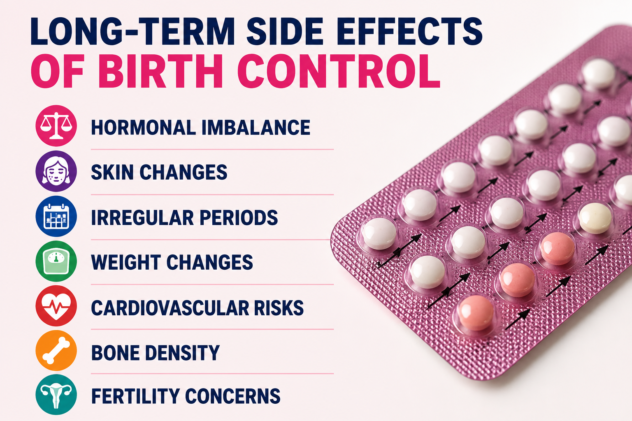
Long-Term Side Effects of Birth Control
For most healthy individuals, hormonal birth control is considered safe for long-term use. However, like any medication, it may have potential long-term side effects that vary depending on age, medical history, lifestyle, and the specific contraceptive method.
1. Changes in Menstrual Cycles
Long-term use may result in:
- Changes in your bleeding pattern
- Lighter menstrual bleeding
- Skipped periods
- Spotting between periods
These changes are usually not harmful but can be frustrating for some users.
2. Mood Changes
Some users report:
- Mood swings
- Headaches
- Dizziness
- Nausea.
- Anxiety
- Depression symptoms
- Emotional sensitivity
Research suggests that while many people experience no mood-related effects, some individuals may be more sensitive to hormonal changes.
3. Weight Changes
Weight gain is commonly blamed on birth control, but evidence is mixed.
Birth control pills generally show little consistent evidence of causing significant weight gain.
Depo-Provera injections are more strongly associated with gradual weight gain over time.
Maintaining a healthy diet and regular exercise can help manage weight regardless of contraceptive choice.
4. Headaches and Migraines
Hormonal changes can cause headaches in some people.
Those with migraine accompanied by aura should consult a healthcare provider because certain estrogen-containing contraceptives may increase stroke risk.
5. Changes in Libido
Long-term hormonal contraception may affect sexual desire differently among individuals.
Some users experience:
- Decreased sexual desire
- Increased sexual desire
- No noticeable change
Every person’s hormonal response is unique.
6. Blood Clot Risk
One of the most discussed long-term side effects is an increased risk of blood clots.
This risk is higher among:
- People aged 35 or older who smoke.
- People living with obesity.
- Individuals with blood clotting conditions.
- People who use birth control methods containing estrogen.
Although the overall risk remains low for healthy women, it’s an important consideration when choosing a birth control method.
7. Bone Density Changes
Depo-Provera has been associated with temporary reductions in bone mineral density during prolonged use.
Bone density often improves after stopping the injections, but long-term users may benefit from adequate calcium, vitamin D, and weight-bearing exercise.
8. Blood Pressure
Some hormonal contraceptives may disrupt cholesterol balance, contribute to heart disease and may slightly increase blood pressure.
Routine blood pressure monitoring is recommended, especially for long-term users.
9. Fertility After Stopping Birth Control
Many people worry that long-term birth control causes infertility.
Current evidence shows that fertility generally returns after stopping most birth control methods, although the timing varies.
- Pills: often within weeks to months
- IUDs: fertility can return quickly after removal
- Implants: fertility usually returns rapidly
- Depo-Provera: fertility may take several months longer to return
Long-term contraceptive use itself has not been shown to cause permanent infertility.
Benefits of Long-Term Birth Control
Despite concerns, hormonal contraception also offers several health benefits.
These may include:
- Reduced menstrual pain
- Lighter periods
- Lower risk of anemia
- Reduced acne
- Lower risk of endometrial cancer
- Lower risk of ovarian cancer
- Treatment for polycystic ovary syndrome (PCOS)
- Management of endometriosis symptoms
For many individuals, these benefits outweigh the potential risks.
Who Should Talk to a Healthcare Provider?
Consult your healthcare provider if you:
- Smoke and are over 35
- Have a history of blood clots
- Experience severe migraines
- Have uncontrolled high blood pressure
- Develop chest pain, severe headaches, or sudden vision changes while using hormonal birth control
Choosing the right contraceptive is highly individualized.
Frequently Asked Questions:
Is it safe to use birth control for many years?
For most healthy individuals, yes. Many people safely use hormonal birth control for years under medical supervision.
Does birth control permanently affect fertility?
No. Most people regain fertility after stopping birth control, although the timeline depends on the contraceptive method.
Can birth control stop periods completely?
Yes. Certain hormonal methods can significantly reduce or completely stop menstrual bleeding, which is often an expected effect.
What is the safest birth control method?
There is no single “best” option for everyone. The safest method depends on your age, medical history, lifestyle, and reproductive goals.
Final Thoughts
Understanding the long-term side effects of birth control allows you to make informed healthcare decisions. While hormonal contraceptives may have potential risks, they are considered safe for most healthy users and provide numerous medical and reproductive benefits.
If you’re considering starting, switching, or stopping birth control, discuss your health history and goals with a qualified healthcare provider. Together, you can choose the method that best fits your needs and lifestyle.