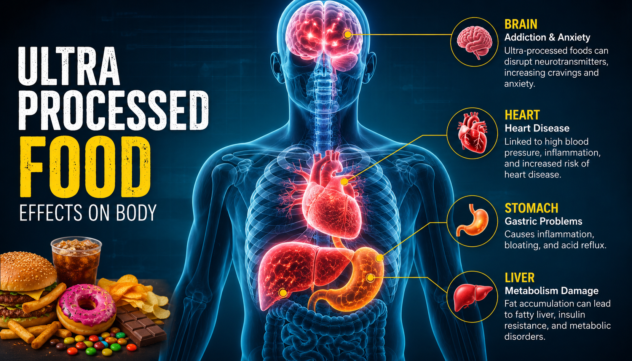
If you’ve ever wondered about the ultra-processed food effects on body, you’re thinking along the right lines. Packaged and processed foods are deeply intertwined with our busy lives. To save time, we increasingly lean toward foods like biscuits, chips, sauces, juices, instant noodles, and even processed meats. But recent research suggests that behind this convenience may lie some long-term health risks.
Research keeps uncovering concerning links to weight gain, chronic diseases, and much more. In this guide, we’ll break down what ultra-processed foods actually are, how they affect your health, why they’re so problematic, and how you can take practical steps to cut back on them without resorting to overly strict restrictions.
What Is Ultra Processed Food?
Ultra-processed foods are those in which artificial colors, flavors, and preservatives are added alongside natural ingredients, and which go through heavy industrial processing. These foods are typically low in fiber but high in sugar, salt, and unhealthy fats.
They generally contain substances rarely used in a home kitchen—high-fructose corn syrup, hydrogenated oils, protein isolates, modified starches, emulsifiers, artificial flavors, colors, and non-sugar sweeteners. Manufacturing techniques such as extrusion, molding, and pre-frying are used in production. The goal is convenience, a long shelf life, and enhanced palatability.
Ultra Processed Food List: Everyday Examples
Here’s a practical ultra processed food list of items many Americans eat regularly:
- Soft drinks, energy drinks, and sweetened fruit beverages
- Packaged chips, crackers, cookies, and candy
- Most breakfast cereals and cereal bars
- Instant noodles, powdered soups, and ready-to-heat frozen meals
- Chicken nuggets, hot dogs, sausages, and reconstituted meat products
- Biscuits, ice cream, bread, and carbonated drinks
- Mass-produced packaged bread, buns, and pastries
- Flavored yogurt, and many plant-based milk alternatives with stabilizers
- Margarine, spreads, and most fast-food items
Not all packaged foods are ultra-processed. Plain frozen vegetables, plain oats, or plain canned tomatoes generally don’t fall into this category.
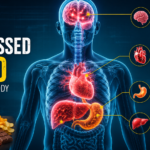
Effects of Ultra Processed Foods on the Body
Large-scale research consistently links higher UPF intake to a wide range of health issues.
Weight and metabolic health
Studies have shown that people on ultra-processed diets consume approximately 500 extra calories per day and gain weight, even when the meals are matched to unprocessed diets in terms of calories, sugar, fat, and fiber content.
Ultra-processed foods (UPF) are often high in energy density and engineered to encourage overeating. Higher intake increases the risk of obesity and type 2 diabetes. This risk has been linked to ingredients such as potassium sorbate, calcium propionate, and acetic acid.
Heart and cardiovascular system
Ultra-processed foods generally contain a very high amount of salt, which raises blood pressure. Trans fats and saturated fats increase “bad” cholesterol (LDL) in the blood, which raises the risk of heart disease. Fiber-rich whole foods like vegetables, fruits, and grains end up being eaten less—which is harmful for digestion and overall health.
Mental health and sleep
These foods have been linked to a higher risk of depression, anxiety, and common mental health disorders. Some studies have found that UPFs negatively affect sleep quality. Although the cause-and-effect relationship is still being studied, rapid blood sugar fluctuations and nutrient deficiencies may play a role.
Other systems
Sodium nitrite and nitrate, used in processed meats such as sausages and bacon, have been linked to an increased risk of prostate and breast cancer, along with digestive problems, reduced kidney function, respiratory issues like wheezing, and an increase in all-cause mortality (with a risk ratio of around 1.21 in high-intake evidence).
In the United States, recent CDC NHANES data (August 2021–August 2023) shows that people aged 1 and older still get about 55% of their daily calories from ultra-processed foods. Youth ages 1–18 years consumed a higher percentage of calories from ultra-processed foods (61.9%) than adults age 19 and older (53.0%). Major contributors include sandwiches/burgers, sweet bakery products, salty snacks, pizza, and sugary beverages.
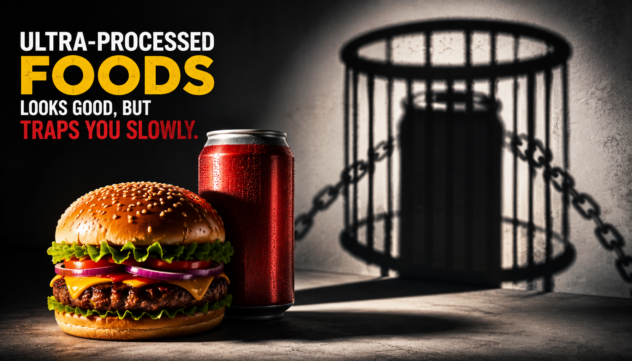
Why Are Processed Foods Bad? Understanding the Mechanisms
Not all processing is harmful—pasteurization and freezing preserve nutrients and safety. The problem with ultra-processing lies in several overlapping factors:
Nutrient displacement – When we eat more and more UPFs (chips, biscuits, cold drinks), it leaves less room on our plate or in our diet for fruits, vegetables, grains, and legumes. These foods help protect against disease. As a result, higher UPF intake means we get less fiber, vitamins, minerals, and beneficial plant compounds (such as antioxidants).
Hyper-palatability and overeating– Food companies deliberately engineer products to hit a specific ratio of salt, sugar, and fat — the combination that tastes best in the mouth. This is why we end up eating more than we actually need. These foods are also typically soft and easy to chew (like chips and nuggets), so they can be eaten very quickly.
Additives and contaminants – Artificial sweeteners, colors, and packaging chemicals (such as certain plastic-related compounds) can affect the gut microbiome, increase low-grade inflammation, or have other metabolic effects.
Altered food matrix – In whole foods (like whole fruits or grains), sugar, fat, and fiber remain locked within a natural structure, which the body breaks down and absorbs slowly. But industrial processing completely breaks down this natural structure. As a result, sugar and fat enter the bloodstream much faster, causing blood glucose levels to spike suddenly — these repeated spikes increase the long-term risk of insulin resistance and diabetes.
Poor overall diet quality–
Diets high in UPFs typically have:
- More sugar
- More sodium (salt)
- More unhealthy fat
Yet the protein quality is poor — meaning that even though calorie intake is high, nutritional value is low. This imbalance is what harms the body.
These factors help explain why the association hold even after researchers adjust for total calories or specific nutrients in many studies.
What Are the Health Risks of Ultra Processed Food? Putting the Evidence in Context
According to recent findings published in Medscape, based on a large French cohort study (NutriNet-Santé, tracking over 182,000 adults), people who regularly consume higher amounts of processed foods containing certain preservatives face a comparatively higher risk of cancer and type 2 diabetes. The analysis found that higher ultra-processed food consumption was linked to a 20% higher risk of type 2 diabetes, with the excess risk tied to 12 out of 17 preservatives studied.
The link with mental health is also becoming increasingly well-documented. However, the quality of evidence varies — most of it is observational, so residual confounding factors cannot be completely ruled out.
Importantly, not all types of ultra-processed foods (UPF) carry equal risk. Sugary beverages and processed meats show the strongest individual associations. Some ultra-processed whole-grain products or nutrient-fortified products may be less harmful than others, but the overall pattern of a high-UPF diet remains concerning.
Practical Ways to Reduce Ultra-Processed Foods
You don’t need to eliminate every packaged item overnight. Small, sustainable shifts work best:
- Emphasize home-cooked, fresh, and seasonal food.
- Choose plain yogurt instead of flavored yogurt, and add your own fruit to it.
- Eat plain oats or eggs instead of sugary cereal.
- Check the ingredient list on food packaging.
- Eat fresh, frozen, or canned fruit without added sugar or syrup.
- Prioritize vegetables and colorful fruits.
- When buying bread, look for a short ingredient list that emphasizes flour, water, yeast, and salt.
- Reduce sugary drinks and replace them with water, fruit juice, or unsweetened tea.
- Even a small reduction can better support long-term health markers.
Bottom Line
The ultra processed food effects on body are increasingly clear from large reviews and population data:
Evidence from large reviews and population-based data is making the health effects of ultra-processed foods increasingly clear: excessive consumption of ultra-processed foods increases the risk of weight gain, type 2 diabetes, heart disease, mental health problems, and premature death. In the United States, these foods remain the primary source of calories for both children and adults.
A balanced diet and moderate lifestyle habits may be the most effective way to prevent chronic diseases like cancer and diabetes.
Frequently Asked Questions
What is the difference between processed and ultra-processed foods? The main difference lies in how they’re made: processed foods are created by adding salt, sugar, oil, or other cooking ingredients. Ultra-processed foods, on the other hand, are packed with artificial ingredients and made using techniques that aren’t used in home cooking.
Are all packaged foods ultra-processed?
No, not all packaged food is UPF — to tell the difference, check the ingredient list for industrial additives.
Can I still eat ultra-processed foods occasionally?
Yes. Occasional intake as part of an otherwise balanced diet is unlikely to cause major harm for most people. The concern rises with high daily consumption that displaces nutrient-dense foods.
Do ultra-processed plant-based foods have the same risks?
Some research suggests plant-based UPFs can still be linked to higher cardiovascular risk compared with whole plant foods. Focus on the degree of processing rather than plant-based claims alone.
How quickly can reducing ultra-processed foods improve health?
Some benefits, such as better energy regulation, reduced calorie intake, and improved blood sugar control, can appear within a few weeks — when overall diet quality improves. The reduction in long-term chronic disease risk, however, builds gradually over months and years.