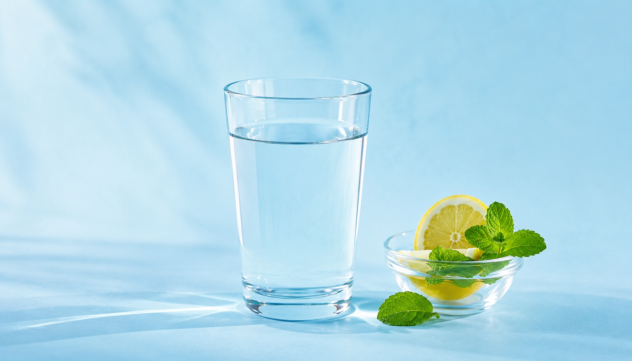
Since our body is made up of more than 60% water, staying dehydrated can put our health at risk. That’s why remaining hydrated is always important, especially in hot and humid weather. Many of us miss the early hydration signs and symptoms. This guide provides a detailed explanation of what hydration actually is, why it matters, how much water we should drink daily, and how to maintain it consistently.
What Is Hydration?
Hydration means maintaining the proper balance of water in the body so that the body’s cells, organs, and systems can function correctly. Our body is about 50–60% water, which varies according to age, sex, and body composition. That water continuously enters and leaves cells, carries nutrients, regulates temperature, and removes waste.
When water lost through urine, sweat, breathing, and feces is equal to water intake, the body stays hydrated. But when water loss exceeds water intake, dehydration begins—even mild dehydration can affect mood, concentration, and physical performance.
What Is the Importance of Hydration?
Proper hydration supports nearly every system.
- It Helps regulate and maintain stable body temperature, especially during physical exertion or exposure to hot weather
- Acts as a lubricant for the joints, keeping them moist and helping supply oxygen and nutrients
- Transports essential nutrients such as vitamins, minerals, and oxygen throughout the body
- Supports digestion and kidney function, aiding proper digestion and nutrient absorption
- Removes waste: Through the kidneys and urinary tract, eliminates toxic substances, waste products, and metabolic by-products
A drop of only 1–2% in the body’s water level can reduce our attention, memory, and mood.
A study published in The Journal of Nutrition found that mild dehydration (about 1.4% body mass loss) worsened mood, increased perceived fatigue and task difficulty, and reduced concentration in healthy young women, even though most cognitive test scores stayed unchanged. (Source) Athletes and active people notice this quickly: perceived effort increases and focus drops. For students and professionals, low fluid intake can cause mental fog and irritability, which can unknowingly hinder productivity.
Long-term low-level dehydration is also linked to a higher risk of kidney stones, constipation, and, in some studies, urinary tract problems.
Water and Hydration: More Than Just Drinking
Although water is the main driving force of hydration, it is not the only one. For most people, about 20% of daily fluid intake comes from food — such as watermelon, cucumber, oranges, soup, yogurt, and similar items.
Electrolyte-rich foods (containing sodium, potassium, and magnesium help the body retain water and keep cellular functions stable, especially after sweating. Good sources include:
- Potassium-rich: bananas, oranges, coconut water, potatoes, spinach, avocados
- Sodium-rich: lightly salted foods, broths, pickles (in moderation)
- Magnesium-rich: nuts, seeds, leafy greens, whole grains, dark chocolate
Although caffeine and alcohol have mild diuretic effects, moderate amounts of coffee or tea still contribute positively to fluid intake for most healthy adults.
Hydration Signs and Symptoms You Should Never Ignore
Early hydration signs and symptoms are often subtle. Catching them early prevents the more serious stages.
Common early signs include:
– Feeling thirsty (this is already a delayed response)
– Dry or sticky mouth
– Dark yellow urine (pale straw color is ideal)
– Fatigue or low energy
– Headache that improves after drinking water
– Difficulty concentrating
– Muscle cramps, especially during or after exercise
– Dry skin and lips, muscle tightness, or joint pain
You may also experience dizziness, rapid heartbeat, reduced urine output, irritability, or constipation. In severe cases, problems such as confusion, rapid breathing, or fainting can occur — if these symptoms appear, seek medical help immediately.
Real-life example:
A 2018 study on college students found that those who came to class mildly dehydrated scored lower on attention and memory tasks compared to classmates who had already drunk water. Teachers and entrepreneurs often describe a similar afternoon sluggishness that disappears after a glass of water and a short walk.
How Much Water to Drink Daily?
The National Academies of Sciences, Engineering, and Medicine recommends a total daily water intake of about 3.7 liters (approximately 125 ounces) for men and 2.7 liters (approximately 91 ounces) for women from all beverages and foods. This includes water obtained from food, so the target for plain drinking water is usually lower — often between 2.5 and 3.5 liters, depending on body size, climate, and activity level.(Armstrong et al., 2012)
A practical starting point used by many health experts is half your body weight in ounces (for example, a person weighing 160 pounds aims for about 80 ounces of fluid). Increase the amount in the following situations:
- Hot or humid weather
- Exercise or physical work
- Illness with fever, vomiting, or diarrhea
- Pregnancy or breastfeeding
Urine color is one of the easiest daily checks: aim for a pale yellow color. If it is consistently dark, increase your fluid intake.
How to Hydrate Effectively
Drinking a large amount of water at once is not hydration. It is a daily habit.
Here are some practical strategies that work well for busy students, professionals, and teachers:
- Start your day with a glass of water. You can have coffee afterward.
- Keep a reusable bottle on your desk or in your bag.
- Link drinking water to your daily routines (every time you return from the bathroom, before a meeting, or during class breaks).
- If plain water feels boring, flavor it with cucumber, lemon, berries, or mint.
- Eat water-rich fruits and vegetables such as cucumber, watermelon, and oranges.
- You can also include salads, yogurt, and broth-based soups.
- Use an app for a few days to build the habit, then stop tracking once it becomes automatic.
Special Considerations for Different Groups
Whether you are a teacher, entrepreneur, or student, set a timer for drinking water and create a regular drinking schedule. The average fluid needs of men and women differ slightly according to body size and composition, but individual factors are more important than the average. Older adults may have a reduced sense of thirst, so drinking water at scheduled times becomes even more important.
When to Seek Professional Advice
Most mild dehydration resolves with fluids and rest. Contact a healthcare provider if symptoms are severe, if you have kidney disease, heart conditions, or take medications that affect fluid balance, or if you cannot keep fluids down. Persistent thirst despite adequate intake can sometimes signal diabetes or other conditions worth checking.
Final Words
The key is not just drinking water, but ensuring you get enough fluids and electrolytes to support every system in the body. Recognizing the early signs and symptoms of hydration issues, understanding your personal fluid needs, and building simple daily habits creates a strong foundation for energy, focus, and long-term health. Keep a bottle with you, check your urine color, and include water-rich snacks—these simple habits can play a major role in improving overall well-being.
Frequently Asked Questions
1. What are the first hydration signs and symptoms most people notice?
Dry mouth, thirst, darker urine, and mild fatigue are usually the earliest signals. Many people also report headache or difficulty concentrating.
2. How much water should I drink daily if I exercise regularly?
Start with the general recommendation (around 2.7–3.7 liters total fluid) and add 12–20 ounces for every 30–60 minutes of moderate to intense exercise, adjusting for sweat rate and weather.
3. Can I hydrate with coffee, tea, or other beverages?
Yes. Moderate amounts of coffee and tea count as fluid intake for most healthy adults. However, water remains the most effective choice.
4. Is eight glasses of water a day still the rule?
Yes, most adults need about 8–10 glasses (2–2.5 liters) of water per day. This can be a roughly useful guideline for some people, but individual needs vary based on body size, activity level, climate, and dietary habits.
5. What happens if I drink too much water?
Yes, drinking excessive water without adequate electrolytes in the body can lower the sodium level in the blood, which is called hyponatremia.