Many adults suddenly feel weak, do not feel comfortable in their body, or experience subtle changes in mood, but they do not realize that these could be due to vitamin D deficiency. Knowing the signs and symptoms of vitamin D deficiency is very helpful, because once you are aware of them, you can easily get tested when you notice these possible signs and the deficiency can be detected.
Vitamin D is a fat-soluble vitamin that includes vitamin D1, D2, and D3. It helps in the growth and development of bones and teeth.
Vitamin D deficiency is not easily noticeable; it develops almost silently. When the symptoms appear, they can overlap with other conditions. Therefore, it is important for American adults who are concerned about their overall well-being to stay aware of this.
What Is Vitamin D?
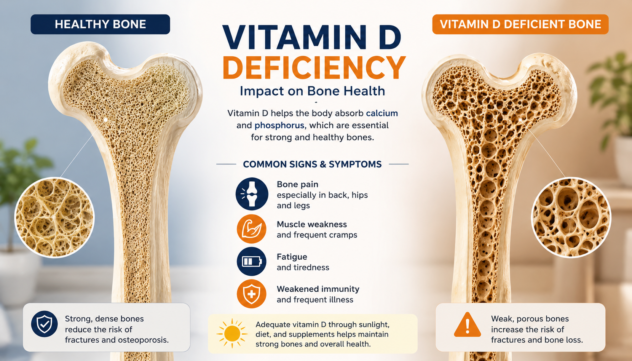
Vitamin D is naturally produced in our body when exposed to direct sunlight. It also comes from certain foods and supplements. Vitamin D performs several important functions in our body. The most important among these is helping the body absorb calcium and phosphorus, and boosting the immune system.
These minerals keep the bones strong and support muscle function. According to reviews by organizations such as the National Institutes of Health (NIH), vitamin D also influences immune regulation and may play a role in mood and other body systems.
Most people get some vitamin D from sunlight. However, factors like geographical location, season, sunscreen use, and indoor lifestyle limit its production. Dietary sources alone often fail to meet the needs of many Americans.
What Causes Vitamin D Deficiency?
- Vitamin D levels can decrease due to various reasons. A drop in vitamin D can occur due to the combined effects of environment, lifestyle, and certain physical problems.
- Limited sunlight is the most common cause, especially for people living in northern latitudes, those who spend very little time outdoors, or those who keep most of their body covered.
- Having more melanin in the skin reduces the ability to produce vitamin D from sunlight. Darker skin contains more melanin, which decreases the skin’s ability to produce vitamin D from sunlight.
- As age increases, the skin’s ability to produce vitamin D decreases.
- Excess fat tissue in the body can trap vitamin D, causing its level in the blood to drop.
- Diseases that cause problems with fat absorption can also lead to difficulty in absorbing vitamin D. Medical conditions that impair absorption — such as celiac disease, Crohn’s disease, cystic fibrosis, or a history of gastric bypass surgery — can reduce vitamin D absorption.
- Certain medications, including some anti-epileptic drugs and weight-loss medicines, interfere with the vitamin D metabolism process.
- Kidney or liver disease can hinder the conversion of vitamin D into its active form.
- Low intake of vitamin D-rich or fortified foods can also lead to deficiency.
- According to analysis of the National Health and Nutrition Examination Survey (NHANES), a significant portion of U.S. adults do not have adequate levels, and the rate of deficiency is higher among non-Hispanic Black individuals compared to other groups.
What Are the Symptoms of Vitamin D Deficiency?
Many people with low vitamin D levels show no clear symptoms. However, when levels remain low for a long time, it affects bone strength, muscles, and overall health.
According to clinical sources such as Cleveland Clinic and Merck Manuals, the common symptoms are:
Fatigue and tiredness that does not improve even with rest.
Bone pain, which is often felt in the lower back, hips, pelvis, or legs.
Muscle weakness, pain, or cramps, especially in the proximal muscles of the thighs and upper arms.
This can make it difficult to get up from a chair or climb stairs, and walking often becomes painful.
Some reports have noted mood changes, such as depression or symptoms similar to depression.
Hair loss is occasionally mentioned, although the evidence on this is less consistent.
Increased risk of bones breaking easily.
Reduced immune function leading to frequent infections.
Slow healing of wounds or cuts.
Mood changes, feelings of sadness, or irritability.
Severe or long-term deficiency in adults can progress to osteomalacia — softening of the bones that causes widespread bone pain and tenderness to touch, which increases the risk of fractures even from minor trauma.
In older adults, muscle weakness raises the chances of falls and hip fractures.
These signs and symptoms of vitamin D deficiency overlap with many other health issues. A blood test measuring 25-hydroxyvitamin D remains the standard way to confirm status. Levels below 12 ng/mL (30 nmol/L) generally indicate deficiency by Institute of Medicine criteria, while 12–20 ng/mL signals inadequacy for bone health in many guidelines.
Side Effects of Vitamin D Deficiency
Without treatment, long-term vitamin D deficiency can primarily affect bone and muscle health. When vitamin D levels remain low, the body may increase parathyroid hormone production to maintain normal blood calcium levels by drawing calcium from the bones. Over time, this can accelerate bone loss, contribute to osteopenia or osteoporosis, and increase the risk of fractures.
Severe or prolonged deficiency can also cause osteomalacia, a condition in which bones become soft and poorly mineralized. This may lead to bone pain and muscle weakness, which can increase the risk of falls, particularly in older adults.
During pregnancy, vitamin D deficiency in the mother may also affect the baby. Some observational studies have linked low vitamin D levels with a higher risk of certain infections, autoimmune conditions, and other chronic diseases. However, these associations do not necessarily prove that vitamin D deficiency directly causes these conditions, and research is still ongoing.
What Foods Are High in Vitamin D?
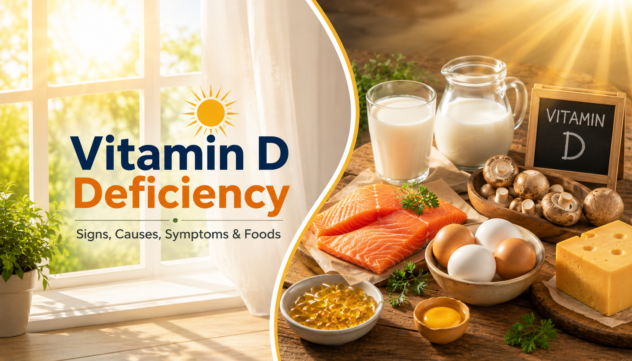
Very few foods naturally contain significant amounts of vitamin D. Fatty fish are among the best natural sources. Cooked sockeye salmon is particularly rich in vitamin D, while sardines, mackerel, and tuna also provide useful amounts.
Cod liver oil is another concentrated source of vitamin D, although the exact amount can vary by product. Egg yolks contain small amounts of vitamin D, while mushrooms exposed to ultraviolet (UV) light can provide significant amounts.
Other foods that may provide vitamin D include:
- Fatty fish: Salmon, mackerel, sardines, and tuna
- Beef liver: Provides a small amount of vitamin D
- Cheese: Contains small amounts of vitamin D
- Fortified milk: A common dietary source of vitamin D
- Fortified breakfast cereals: Can provide vitamin D through fortification
- Fortified orange juice: Can be an additional source of vitamin D
- Fortified yogurt: May provide vitamin D, depending on the product
Fortified foods are important dietary sources of vitamin D for many Americans. Common examples include fortified milk, some plant-based milk alternatives, breakfast cereals, and orange juice. The amount of vitamin D can vary by brand and product, so checking the nutrition label is the best way to determine the exact amount.
How Is Vitamin D Deficiency Managed?
Treatment typically involves oral vitamin D2 or D3 supplements, with the dose determined based on the severity of the deficiency and individual factors such as body weight, age, and problems with vitamin D absorption. The dose may be adjusted by a healthcare professional based on follow-up blood tests and the individual’s response to treatment. Adequate calcium intake is also important for maintaining bone health.
Safe sun exposure, a balanced diet that includes vitamin D-rich and fortified foods, and treatment of underlying conditions that interfere with vitamin D absorption can help prevent or reduce the risk of deficiency.
Taking excessively high doses of vitamin D supplements can lead to toxicity and dangerously high calcium levels in the blood. Therefore, it is important to follow a healthcare professional’s recommended dose rather than taking high doses on your
Closing Thoughts
It is important to be aware of the signs and symptoms of vitamin D deficiency, as this can help adults discuss vitamin D testing and necessary lifestyle changes with their healthcare providers.
Small but consistent steps, such as spending a moderate amount of time outdoors when possible, eating vitamin D-rich or fortified foods, and taking supplements when needed under the guidance of a healthcare professional, can make a meaningful difference in long-term health.
Frequently Asked Questions
What are the most common early signs of vitamin D deficiency in adults?
Fatigue, bone or muscle pain, and muscle weakness are among the most frequently reported early indicators. Many people experience no noticeable symptoms at all.
Can vitamin D deficiency cause depression or mood changes?
Some people may experience low mood or depressive symptoms alongside low vitamin D levels.
However, vitamin D is only one of many factors affecting mental health, so supplementation alone is not a treatment for depression.
How long does it take to correct vitamin D deficiency?
With appropriate supplementation, blood levels often improve within 6–12 weeks, though individual response varies based on dose, starting level, and absorption. Symptoms such as muscle pain may ease sooner in some cases.
Who is most at risk for vitamin D deficiency in the United States?
Older people, individuals with dark skin who receive limited sunlight, and those suffering from obesity or nutritional absorption problems.
Is it safe to take vitamin D supplements without a blood test?
In the treatment of high levels or confirmed deficiencies, one should consult a healthcare provider to avoid excess and to address any underlying issues.