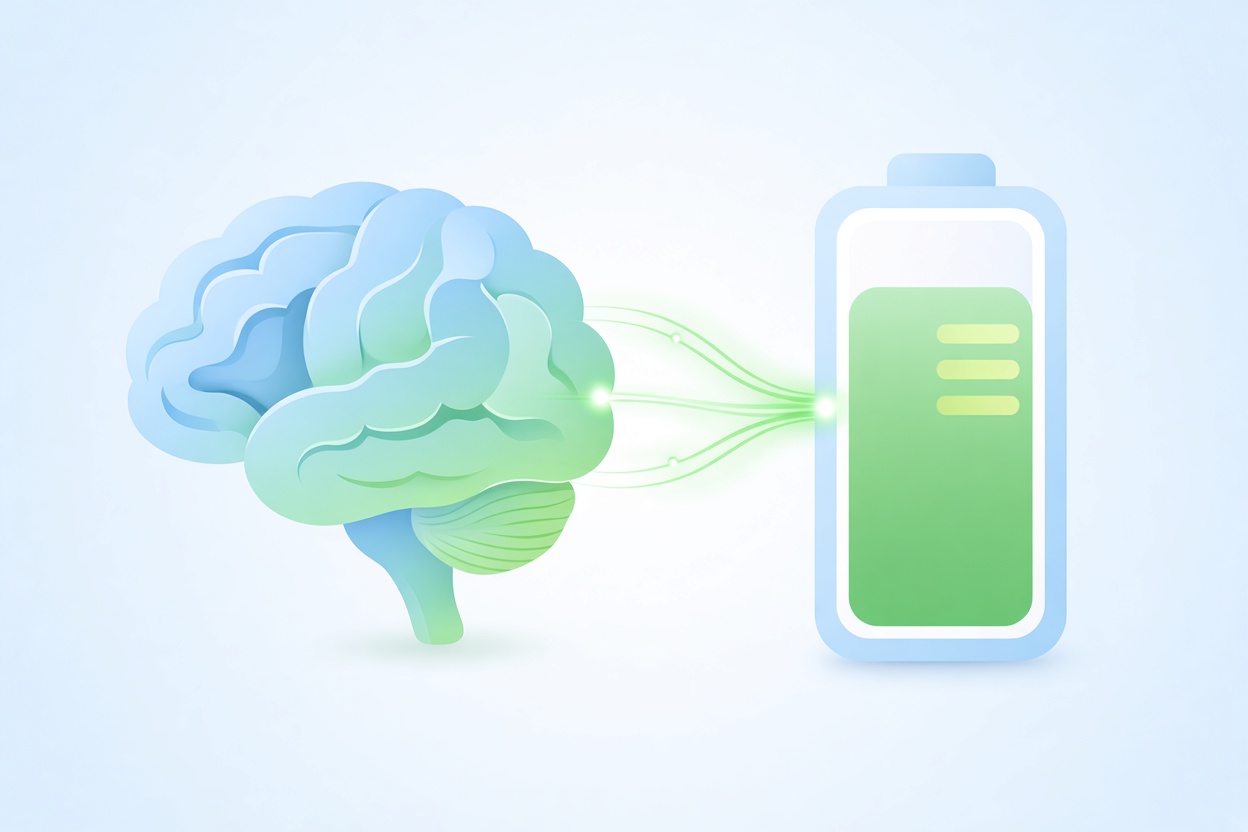
When the daily pressures of work and life leave both body and mind drained, your eyes start wanting to close for just a short while. That brief sleep is what we call a power nap. A power nap recharges the brain and restores motivation for the tasks ahead. Power nap benefits are significant even though they only take a short amount of time.
Research shows that these short rests deliver measurable improvements in alertness and cognitive performance—without the grogginess that often follows longer sleep.
Whether you’re a student, parent, office professional, or shift worker, understanding how to use power naps effectively can help you regain energy for everyday work and support better overall health.
What Is a Nap?
A nap is a short period of sleep taken during the day, separate from your main nighttime rest. Power naps specifically refer to brief sessions designed to restore alertness without entering deep sleep stages that leave you feeling disoriented.
Unlike a full night’s sleep, a power nap targets the lighter stages of sleep. This makes it easier to wake up refreshed. Many people in the U.S. already nap occasionally—think of the classic afternoon “siesta” adapted to modern schedules—but intentional power naps maximize the upside.
How Long Is a Nap? Best Nap Duration Explained
The core idea of a power nap is simple: keep it short but restorative. A well-timed power nap can leave you feeling instantly refreshed. When you wake up, your mind tends to feel clearer and more alert, without the heavy grogginess that often follows longer sleep.
Ideal nap length depends on your goals, but research consistently shows that shorter is better for most people seeking a quick daytime boost.
Sleep experts typically recommend 10 to 20 minutes for a true power nap (sometimes called a “super power nap”). This duration is long enough to deliver benefits but short enough to avoid deep sleep. As a result, you reduce the foggy feeling that can hit when you wake from deeper stages of sleep, and you often notice improved performance and focus right away.
A well-known NASA study of airline pilots (and related astronaut research) found that a planned nap averaging about 26 minutes improved performance by 34% and physiological alertness by up to 54% compared with no nap at all. Even a short rest of that length can meaningfully sharpen attention and work capacity.
Once you push past roughly 30 minutes, many people begin entering slow-wave (deep) sleep. Waking from that stage frequently produces sleep inertia—the groggy, disoriented feeling that can linger for 15–30 minutes or longer. For most healthy adults who want daytime benefits without the residual fog, staying under 30 minutes is the practical sweet spot.
If you have more time available—60 to 90 minutes—you can often complete a full sleep cycle. This longer option is more useful when you’re looking for gains in creativity, memory consolidation, or deeper recovery rather than an instant pick-me-up.
Quick summary for everyday use:
- 10–20 minutes: Classic power nap—fast refresh, minimal grogginess.
- ~26 minutes: Still effective (NASA data), but start setting an alarm a bit earlier to stay safer.
- 30+ minutes: Higher chance of sleep inertia.
- 60–90 minutes: Full-cycle nap for bigger cognitive benefits when schedule allows.
Appropriate Nap Time: When Should You Take One?
Timing matters just as much as duration. Choosing the right window for your power nap can make the difference between a genuine energy boost and something that leaves you more tired or disrupts your night.
For most people, the best time falls in the early-to-mid afternoon—typically between 1 p.m. and 3 p.m. This lines up with the natural dip in alertness that many experience after lunch, driven by the body’s circadian rhythm. During this window, people often feel a bit sluggish or less focused, so a short power nap tends to be especially effective and easy to fall into.
Napping after 4 p.m. is generally discouraged. A late-afternoon rest can interfere with your ability to fall asleep at night and may reduce overall sleep quality.
If you deal with insomnia or irregular sleep patterns, approach napping with extra care. Experiment cautiously and pay attention to how it affects your nighttime rest. Consistency helps: when you nap at roughly the same time each day, your body adapts more easily and the benefits become more reliable.
The same core principles apply to shift workers or anyone with a changing schedule. Aim for periods of lower alertness, keep the nap short, and make sure it doesn’t encroach on your main sleep opportunity.
In short: match the nap to your body’s natural afternoon lull, stay under 30 minutes for a quick reset, and protect your nighttime sleep. Done right, the timing amplifies the refresh without creating new problems.
Are Naps Healthy? The Research on Power Nap Benefits
Are naps healthy? For most adults, short power naps are not only safe but beneficial when used appropriately. Multiple studies link brief daytime sleep to improved cognitive function, mood, and even some markers of physical health.
Key power nap benefits supported by research include:
A well-timed power nap delivers several practical benefits that go beyond simply feeling less tired.
It reduces daytime sleepiness and boosts performance on tasks that require sustained attention—findings that align closely with NASA’s research on pilots and astronauts.
Short power naps also support better memory and learning. Sleep helps consolidate new information, so taking a brief rest after studying or practicing a new skill often improves retention more effectively than staying awake the whole time.
Mood tends to improve as well. Even a short nap can ease feelings of low energy or irritability and support better emotional regulation throughout the day.
Naps contribute to mental recovery and a sense of renewed energy by giving the brain a chance to rest and reset after hours of activity.
In high-stakes roles—such as driving, aviation, or healthcare—strategic napping can lower the risk of fatigue-related mistakes and accidents.
When kept short and scheduled during the natural afternoon dip, a power nap becomes a simple, evidence-backed tool for sharper focus, steadier mood, stronger memory, and safer performance.
Power naps show up in real-world settings more often than many people realize.
Some forward-thinking companies now provide quiet spaces or even actively encourage short naps during the workday. Athletes commonly use brief rest periods between training sessions to recover and stay sharp. Students studying for exams frequently discover that a 15–20 minute nap after a study block helps more than simply pushing through fatigue.
Research on sleep also highlights that power naps tend to be most helpful for people who regularly get less nighttime sleep or who hit a noticeable afternoon energy dip. At the same time, even those who sleep well at night can still gain cognitive benefits and a welcome return of alertness from an occasional short nap.
In short, when used strategically, a brief power nap can support performance, recovery, and focus across work, sports, and study.

How to Take an Effective Power Nap
Here’s a practical, realistic way to turn just 30 minutes into something truly useful.
1. Set a timer for 10–25 minutes so you don’t oversleep.
2. Find a quiet, relatively dark spot. If that’s not possible, use an eye mask and earplugs to block out noise and light.
3. Put your phone on silent (or Do Not Disturb) for the entire nap window so nothing interrupts you early. This short rest is a science-backed way to recharge your brain—treat the time with intention.
4. Keep the room cool if you can; a slightly lower temperature helps most people fall asleep faster.
5. If you want to fall asleep quickly, skip caffeine right before the nap—or try a “caffeine nap.” Drink a cup of coffee and lie down immediately so the caffeine starts working just as you wake up
6. After the timer goes off, give yourself a couple of minutes to reorient before jumping straight into demanding work.
If you find it hard to fall asleep in such a short window, simply closing your eyes and resting quietly can still deliver some restorative benefits.
Used this way, a brief power nap becomes a reliable tool for clearer focus and renewed energy.
Potential Downsides and Who Should Be Cautious.
Power nap benefits are not for everyone means its not suitable for all. For people who struggle with insomnia, sleeping during the day can have negative effects, because daytime sleep may reduce the desire for nighttime sleep.
Those dealing with sleep apnea or insomnia issues should consult a doctor before relying on naps. If someone feels constantly tired, it is important to seek a doctor’s advice rather than relying on power naps.
Short, intentional power naps are a low-risk option for most healthy adults.
Children, teenagers, and older adults have different sleep needs. The guidance given here applies mainly to working-age adults following a typical U.S. schedule.
Building Power Naps Into a Healthy Routine
According to Harvard Health and the Mayo Clinic, along with regular exercise, balanced nutrition, and effective stress management, a short power nap can be one practical way to support overall health and well-being.
These work best when your overall sleep is solid enough. Long-term sleep deprivation cannot be fully fixed with just short daytime naps.
Some people notice changes within just a few days of taking regular short naps. Pay attention to whether any changes are happening for you.
Carving out 15–20 minutes for a power nap can feel almost impossible, especially since many workplaces don’t support rest during the workday. Still, science backs it up: a short, well-timed nap brings real improvements in alertness, mood, and performance. For many Americans who want to stay sharp without sacrificing their health, a power nap is one of the most accessible and practical strategies available.
Frequently Asked Questions
What is the ideal length for a power nap?
Ideal time is 10–20 minutes . Some research supports naps lasting up to about 26–30 minutes.
Can power naps replace nighttime sleep?
No. Power naps complement but do not substitute for adequate nighttime sleep. They help manage daytime fatigue and cognitive dips.
Is it healthy to nap every day?
Short daily power naps are fine for many healthy adults and can be beneficial. If you have insomnia or notice nighttime sleep suffers, limit or skip them.
What is the best time of day to take a power nap?
Early to mid-afternoon (roughly 1–3 p.m.) aligns with natural circadian dips for most people and is less likely to disrupt nighttime sleep.
Do power nap benefits memory?
Yes. Research shows short naps can aid memory consolidation and improve learning and retention of recently acquired information.