Dealing with belly fat can feel discouraging for many people, and it’s easy to get frustrated along the way — but there’s no need to worry. More than 2 in 5 adults in the United States live with obesity, and it’s specifically belly fat (not just overall body weight) that drives most of the associated health risks. The good news is this: once you build healthy habits, losing that fat becomes far more manageable. This article breaks down exactly how to burn stomach fat, including what to eat, drink, and do to see real results.
Why Stomach Fat Is Different From Other Body Fat
Not all fat behaves the same way. The fat sitting just beneath the skin (subcutaneous fat) is mostly cosmetic. But the fat that wraps around organs like the liver and intestines is metabolically active and releases inflammatory compounds directly into the bloodstream.
Research shows this type of fat is strongly linked to heart disease, type 2 diabetes, fatty liver disease, and even certain cancers. Yale Medicine researchers note that a waist circumference greater than 34.6 inches for women and 40 inches for men is associated with increased risk for cardiometabolic disease — regardless of what the scale says.
That’s exactly why waist size, alongside weight, is one of the clearest indicators of internal health — and why reducing belly fat isn’t just about how your clothes fit.
How to Burn Stomach Fat: The Core Strategy
Fitness researchers note that it’s very difficult to lose fat without changing your diet — without a dietary shift, you’d need hours of extra cardio just to see meaningful results.
In other words, you can’t out-exercise a bad diet, and you can’t achieve a flat stomach through diet alone without moving your body. Both matter — a calorie-appropriate diet, regular physical activity, quality sleep, stress management, and exercise all work best when combined together.
1. Fix Your Diet First
Most research shows that diet drives roughly 70-80% of fat loss results. A few non-negotiables:
- Eat high protein foods. It preserves muscle during a calorie deficit and keeps you feeling full for longer.
- Cut back on added sugar. Soda, sweetened drinks, coffee, and juice are among the fastest ways to add visceral fat.
- Prioritize fiber. You’ll find it in whole grains like brown rice and whole wheat, along with vegetables and fruits. Fiber-rich foods slow digestion and reduce the insulin spikes responsible for belly fat gain.
2. Move Your Body Daily
According to Mayo Clinic, the fundamental principle of weight loss is creating a calorie deficit — meaning your body must burn more calories than it takes in through food and drinks.
Mayo Clinic also emphasizes the importance of physical activity in this process. They recommend aiming for at least 150 minutes of moderate-intensity aerobic exercise per week, such as brisk walking, cycling, or swimming.
What truly matters is consistency and intensity. Doing moderate exercise regularly is more effective than occasional intense workouts. Source
3. Sleep and Stress Matter More Than People Think
Chronic stress and mental strain trigger the release of cortisol, a hormone that prompts the liver to produce extra glucose. Over time, this process contributes directly to fat accumulation around the belly (visceral fat). Sleep plays a similar role — research shows that inadequate sleep is linked to higher visceral fat storage, even when calorie intake stays the same.
What Drink Can Burn Stomach Fat?
No single one of these foods is powerful enough to burn fat on its own, but stacking them together into your daily diet can genuinely help reduce stomach fat over time. Think of them as tools that make a calorie-appropriate diet easier to stick with — not shortcuts, but supporting pieces of a consistent, sustainable habit.
Which Fruit Is Best for a Flat Tummy?
What’s the Worst Food for Belly Fat?
Some foods actively work against you. If your goal is a flatter stomach, these deserve the most attention:
- Sugary drinks — Soda, sweetened teas, and energy drinks spike insulin levels and are strongly linked to increased visceral fat.
- Refined carbs — White bread, pastries, and most breakfast cereals convert quickly to sugar in your bloodstream.
- Fried foods — High in trans fats and calories, and linked in multiple studies specifically to increased belly fat.
- Alcohol, especially beer — Adds excess calories and tends to lower inhibitions around other food choices.
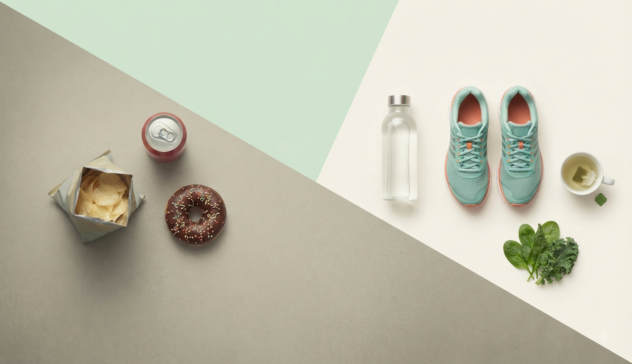
- Processed and junk foods — Items like instant noodles, packaged chips, frozen pizza, hot dogs, and sugary packaged snacks are typically high in refined carbs, unhealthy fats, and sodium — a combination that promotes fat storage. It’s best to avoid these as much as possible.
- Processed meats — High sodium content contributes to bloating and water retention around the midsection.
Cutting even one of these categories consistently — sugary drinks are usually the biggest win — often produces noticeable results within a few weeks.
What Exercises Burn Belly Fat Fast?
Some types of exercise burn more calories and fat overall, and that includes your midsection as well.
Best Exercise Categories
- HIIT (High-Intensity Interval Training) — Short bursts of all-out effort (sprints, burpees, jump squats, squat thrusts) followed by rest. Burns significant calories in 20-30 minutes.
- Strength Training — Building muscle raises your resting metabolic rate, so you burn more calories even at rest.
- Steady Cardio — Walking, jogging, swimming, cycling, or rowing for 30+ minutes most days still matters for overall fat loss.
- Core-Specific Moves — Planks, Russian twists, mountain climbers, leg raises, sit-ups, and knee-to-chest exercises won’t burn fat directly from your belly, but they build the muscle that shows once the fat layer shrinks
A simple weekly structure: 2-3 days of strength training, 2 days of HIIT, and daily walking. WebMD notes that at least 30 minutes of daily aerobic exercise helps reduce both belly fat and liver fat — a reliable starting point.
What Are the 5 Superfoods That Burn Belly Fat?
A Realistic Timeline
Most people notice initial changes in bloating and water weight within 1-2 weeks of cleaning up their diet. Visible waistline changes from actual fat loss typically take 4-8 weeks of consistent effort, and meaningful, sustained results take 3-6 months. Fat loss of about 1-2 pounds per week is considered safe and realistic by most health guidelines — faster loss usually isn’t fat, it’s water and muscle.
Final Thoughts
How to burn stomach fat? It’s a simple question, but the answer isn’t magic. Burning stomach fat isn’t about any single food, drink, or exercise — it’s about consistently building the right habits together: eating more protein and fiber, cutting back on liquid sugar, exercising daily, getting enough sleep, and managing stress. There’s no shortcut beyond this, and this approach works for most people who stick with it for more than a few weeks.
Frequently Asked Questions
1. Can I lose belly fat without exercising?
Fat loss ultimately depends on a calorie deficit, so it’s possible to reduce belly fat through diet alone. That said, adding exercise helps preserve muscle during fat loss and leads to faster, better results.
2. How long does it take to see a flatter stomach?
This will depend on your diet and exercise routine, but bloating and water weight can typically improve within 1-2 weeks. Real fat loss that changes your waistline usually takes 4-8 weeks of consistent habits, with more noticeable results by 3 months.
3. Do ab exercises like crunches burn belly fat?
Crunches and planks don’t directly burn calories. They strengthen your core muscles, but they don’t burn fat from that specific area. Fat loss happens throughout the entire body, driven by diet and overall calorie burn.
4. Is belly fat harder to lose than fat elsewhere?
For many people, yes — especially visceral fat, which is influenced by stress hormones like cortisol. That’s why sleep and stress management matter as much as diet and exercise for this specific area.
5. What’s the single best change to start with?
Cut out sugary drinks and refined carbs, since both directly spike insulin levels. Pair this with daily walking for the fastest realistic results.