Inflammation is the body’s natural defense system. When an infection occurs in our body, or when we face an accident or injury, inflammation protects and heals us. However, when inflammation becomes long-term (chronic), it can gradually damage the body and increase the risk of many health problems.
Our eating habits play an important role in this process. There are some foods that we eat regularly which increase inflammation, while there are other foods that fight against inflammation and help keep the body healthy. In this article, you will learn about the best foods to reduce inflammation, the common causes and symptoms of inflammation, and simple natural ways that can help improve overall health.
What Is Inflammation?
Inflammation is the body’s natural immune response to injury, infection, or harmful substances. It is a complex biological process involving the immune system, blood vessels, and various cells that work together to protect and repair damaged tissue.
When the body is injured, infected, or exposed to harmful substances, the immune system sends white blood cells and chemical messengers to the affected area. These substances create inflammation to isolate the problem so the body’s defense system can respond effectively.
Short-term (acute) inflammation is protective and helpful. However, when inflammation becomes chronic and persists over long periods, it can contribute to many health problems throughout the body.
Causes of Inflammation
Several factors can trigger or sustain chronic inflammation:
Leaky gut issues often linked to regular consumption of wheat-based or gluten-containing foods, continuous exposure to heavy metals, infections, or injuries. When these foods are eaten frequently, inflammation can repeatedly occur and spread through the bloodstream to the rest of the body.
Low stomach acid caused by chronic stress, regular use of antacid medications without medical advice, junk foods, processed foods, highly carbonated drinks.
The natural decline in acid production that comes with aging.
Blood sugar imbalance and insulin resistance. Excess sugar in the blood and high insulin levels both promote inflammation.
Physical and mental stress from a stressful lifestyle.
Circadian rhythm dysfunction. Daytime sunlight is essential, while avoiding blue light from mobile phones and computers at night is equally important. When these natural rhythms are disrupted, various health problems, including inflammation, can arise.
Nutrient deficiencies, especially vitamin D, magnesium, and zinc. These shortages weaken immunity and allow inflammation to develop more easily.
These are some of the most common causes of chronic inflammation.
What Foods Are Inflammatory?
Certain foods tend to promote inflammation in the body.
These include processed foods, ultra-processed products, Regular intake of these items can increase inflammatory processes.
Deep-fried foods: French fries, burgers, chips, and other deep-fried foods
Processed meats: Sausage, bacon, hot dogs,
Excessive red meat: beef or lamb.
Sugary Foods & drinks: Cold drinks, sweets, cakes, pastries, and packaged juices.
and foods high in unhealthy fats increase inflammation in the body.
Signs of Inflammation in the Body
Common symptoms of chronic inflammation include
persistent fatigue,
Joint pain or stiffness,
Digestive issues (such as bloating, irregular bowel movements, or acid reflux),
Skin problems,
Unexplained weight changes,
Mood instability, and frequent infections
Best Foods to Reduce Inflammation
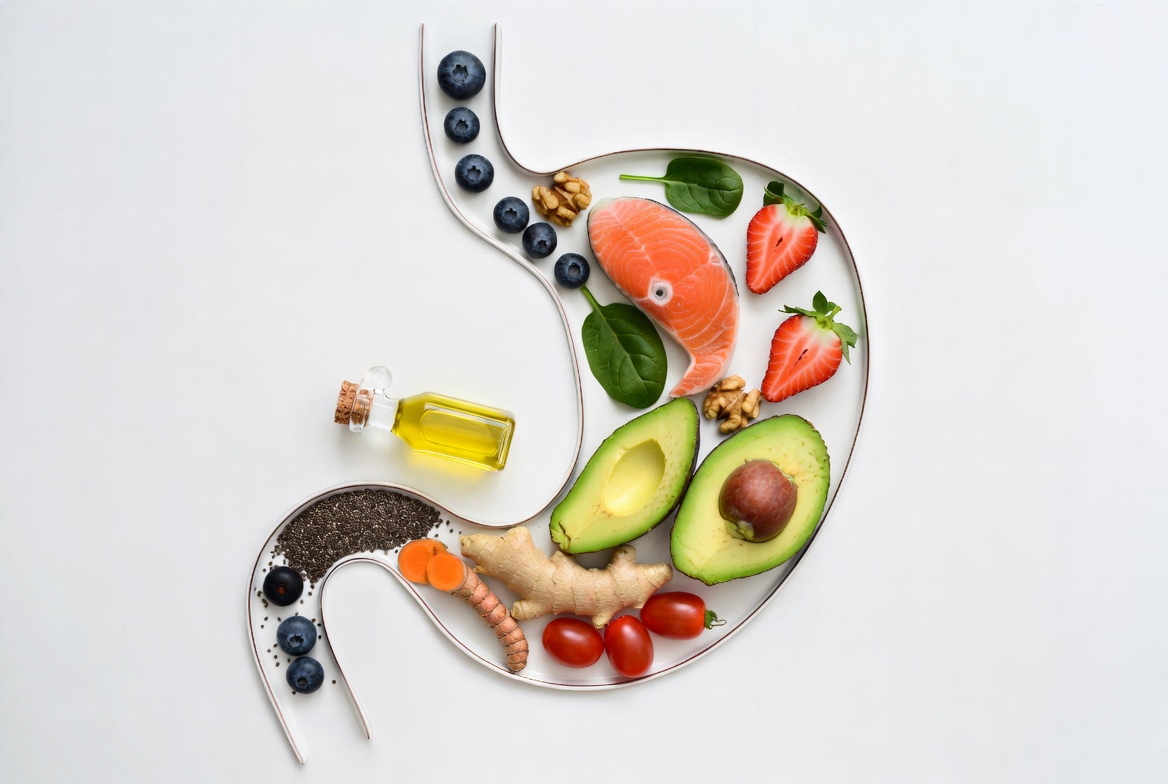
Foods rich in omega-3 fatty acids, antioxidants, polyphenols, fiber, and healthy unsaturated fats help calm inflammation.
Key options include:
Fatty fish such as salmon, sardines, mackerel, and similar varieties
Berries and deeply colored fruits (blueberries, strawberries, cherries)
Leafy green vegetables (spinach, kale, and similar greens)
Extra-virgin olive oil
Nuts and seeds (walnuts, almonds, chia seeds, flaxseeds)
Legumes and beans
Spices such as turmeric, ginger, and garlic
Whole grains, colorful vegetables, and probiotic foods like yogurt or fermented vegetables
These foods supply compounds that help regulate the immune response and reduce inflammatory markers.
How Can You Reduce Inflammation?
Reducing inflammation involves both dietary and lifestyle changes:
Prioritize the anti-inflammatory foods listed above and limit inflammatory ones.
Support gut health by addressing potential triggers such as excessive gluten-containing or highly processed foods if they cause issues, and include fiber-rich and probiotic foods.
Stabilize blood sugar through balanced meals and reduced refined carbohydrates and sugars.
Manage stress, prioritize quality sleep, and protect circadian rhythm by getting daytime sunlight and minimizing nighttime blue light exposure.
Address nutrient deficiencies (particularly vitamin D, magnesium, and zinc) through food or appropriate supplementation under guidance.
Stay physically active, maintain hydration, and avoid unnecessary medications that may lower stomach acid when not medically required.
By combining these approaches—rooted in the points you outlined and supported by established nutritional principles—you can help bring chronic inflammation under better control and support overall health. Individual needs vary, so consulting a healthcare professional for personalized advice is recommended.
Final Thoughts
Remember, lasting results come from the overall pattern of your lifestyle, not from any single food or quick fix. Start with small, sustainable steps, listen to your body, and consult a healthcare professional when needed. Reducing inflammation is not just about feeling better today — it is an investment in long-term health and vitality.