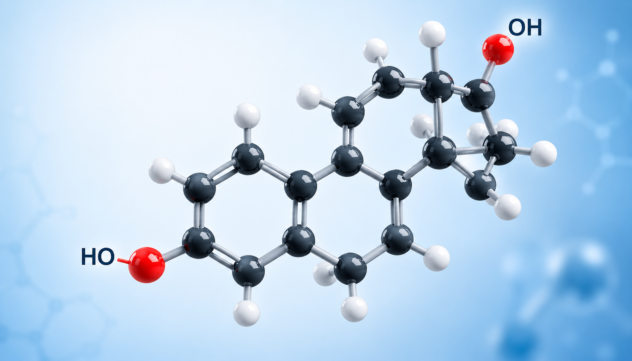
Estrogen is an extremely important hormone for reproductive health. From gender and physical structure to the overall well-being of the body, it plays a vital role. If you are struggling with weight gain, mood swings, or menstrual problems, then knowing how to lower estrogen dominance in your body can truly make a difference and bring positive changes in your daily life. Estrogen can affect both women and men, but it is more commonly seen in women who are near menopause or going through it. Through simple diet, disciplined lifestyle, and environmental changes, you can take control of your hormone health.
This guide will show you those practical, evidence-based steps.
What Is Estrogen?
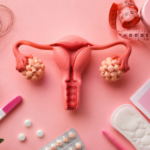
Estrogen is an essential hormone that is crucial for the overall functioning of the female reproductive system. In addition, it plays an important role in bone density, mood, and metabolism. A sharp or even long-term decrease in estrogen can create many problems.
When estrogen levels become much higher compared to progesterone—or when the body has difficulty clearing excess estrogen—many people experience what is commonly known as “estrogen dominance.”
Symptoms of Estrogen Dominance
Symptoms can vary from person to person and between genders. However, common signs in women often include:
- Irregular or unpredictable periods
- Mood swings
- Breast tendernes
- Headaches
- Irritability
- Weight gain around the hips
- Sleep disturbances
- Unwanted hair growth (in some people)
- Fertility problems
- Bloating, water retention, and weight gain around the waist and thighs
- More intense PMS and anxiety
- Digestive issues such as gas
In men, when estrogen levels become higher relative to testosterone, the following may occur:
- Reduced interest in sexual activity
- Difficulty with clear thinking or concentration
- Gynecomastia (enlargement of breast tissue)
- Possible breast growth
- Dry skin
- Reduced fertility
These symptoms frequently overlap with other hormonal imbalances, so it’s wise to consult a healthcare provider for proper evaluation and testing.
These symptoms often overlap with other hormone imbalances, so working with a healthcare provider for testing is wise.
Estrogen Side Effects and Longer-Term Concerns
When estrogen remains unbalanced for a prolonged period, the associated risks can increase. Certain more complex physical issues may develop. These include uterine fibroids, endometriosis, and, in some cases, a higher risk of specific hormone-sensitive conditions.
Chronic stress can lead to elevated cortisol, which may lower progesterone levels. This, in turn, can increase the tendency toward estrogen dominance.
What Foods Are High in Estrogen?
Some foods contain phytoestrogens (plant compounds that can mildly mimic or modulate estrogen) or actual animal estrogens. Common ones include:
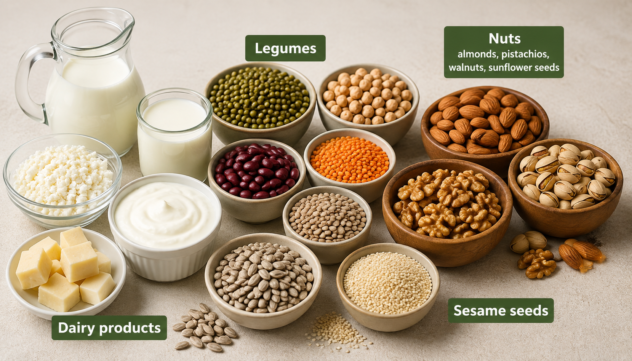
- Flaxseeds: Rich in omega-3 fatty acids that support heart and brain health. They are also high in fiber, which aids digestion, and contain the highest amount of lignans (a type of phytoestrogen) among common foods.
- Soy products (soybeans, tofu, tempeh, edamame): Excellent sources of isoflavones. They are also highly nutritious.
- Sesame seeds: Contain calcium, magnesium, antioxidants that help protect the body from oxidative stress, and mild phytoestrogens (lignans).
- Nuts (almonds, pistachios, walnuts, sunflower seeds): Nutritious and contain lignans along with other mild phytoestrogens.
- Legumes (chickpeas, lentils, beans) and whole grains (oats, barley, brown rice): Provide smaller amounts of phytoestrogens while adding fiber, which helps the body eliminate excess estrogen.
- Dried fruits (apricots, dates): Contain some phytoestrogens.
- Dairy products (milk, yogurt, cheese) and conventional meats: Contain actual animal estrogens. Eating large amounts may slightly raise estrogen levels in some people, so it is better to consume them in moderation
Practical Ways for How to Lower Estrogen
Here are the most effective, research-supported strategies.
Eat More Fiber and Cruciferous Vegetables
Include fiber-rich foods every day such as legumes, seeds, vegetables, fruits, and oats or brown rice. Fiber helps the body eliminate excess estrogen. Women who follow a high-fiber or vegetarian diet often have about 15–20% lower serum estrogen levels and greater excretion of estrogen through stool.
Eat cruciferous vegetables such as broccoli, cauliflower, Brussels sprouts, kale, and cabbage.
Most days, add a plate of steamed broccoli or a handful of kale to your lunch. Many people notice reduced bloating and more regular menstrual cycles after consistently eating these foods for a few months.
Support Liver and Gut Detoxification
The liver processes estrogen so that it can leave the body through bile and stool. For this reason, eat adequate protein-rich foods. Also include sulfur-rich foods such as garlic, onions, and cruciferous vegetables.
Avoid alcohol because it interferes with detoxification.
Gut health is equally important. A healthy microbiome helps break down estrogen properly. Include fermented foods in your diet or take a good-quality probiotic if needed, and keep your bowels regular — make sure you have at least one bowel movement per day.
Manage Body Weight and Blood Sugar
Excess weight plays a role in increasing estrogen production, so it is important to maintain a healthy weight to prevent a sudden rise in estrogen levels. Reduce excess sugar and sugary foods, and choose carbohydrates that digest slowly — this helps.
Move Your Body Regularly
Even if you cannot do heavy exercise, moderate daily exercise supports healthy estrogen metabolism and helps maintain a healthy weight. Walk or do moderate exercise every day.
Reduce Exposure to Xenoestrogens
Some plastics, pesticides, personal care products containing parabens or phthalates, and certain cleaners contain xenoestrogens, which can increase the body’s estrogen levels. Therefore, avoid using these as much as possible.
Store food in glass or stainless steel containers instead of plastic.
Use fragrance-free and paraben-free personal care products.
Prioritize Sleep and Stress Management
Chronic stress raises cortisol, which can lower progesterone and further worsen the estrogen-to-progesterone ratio. Ensure 7–9 hours of quality sleep and try to stay relaxed — spend time walking outdoors, meditating, practicing yoga, or doing activities you enjoy.
Sample Day for Hormone Support
- Breakfast: Greek yogurt or eggs with ground flaxseeds and berries
- Lunch: A large salad with cruciferous vegetables, chickpeas, olive oil, and grilled fish or chicken
- Dinner: Stir-fried broccoli and cauliflower with tofu or lean protein over quinoa
- Snacks: A handful of nuts or carrot sticks
Prioritize these foods that provide fiber, plant nutrients, and protein while keeping processed foods low.
When to Seek Professional Help
If symptoms persist, they require medical evaluation. Blood or saliva hormone testing, along with assessment of thyroid, insulin, and liver function, can help clarify the picture. After reviewing lab results, a doctor may recommend specific supplements such as DIM, calcium-D-glucarate, or magnesium — do not take high doses on your own. Always consult a doctor before taking any medicine or supplements.
Final Thoughts on How to Lower Estrogen Dominance
Consistent daily habits are what truly bring about change. Therefore — more fiber and cruciferous vegetables, good sleep, less alcohol and plastic exposure, regular exercise, and stress management — when combined, these deliver better results than any single rule. Many people notice positive changes such as increased energy, clearer skin, more regular menstrual cycles, and easier weight control within 8–12 weeks of following these steps.
So keep trying consistently. Steady and sustainable support helps your body more effectively than striving for perfection.
Frequently Asked Questions
What is the fastest way to lower estrogen levels?
It is not something that changes overnight. Including more fiber and cruciferous vegetables, getting good sleep, reducing alcohol and plastic exposure, doing regular exercise, and managing stress usually bring noticeable improvements within a few weeks. Combining these with weight management makes the results come even faster for many people.
Can men experience estrogen dominance?
Yes. Excess estrogen relative to testosterone can cause gynecomastia, low libido, and fertility problems. Strength training, reducing body fat, limiting alcohol, and minimizing exposure to xenoestrogens are beneficial for men.
Do I need to avoid all soy to lower estrogen?
No. Moderate amounts of whole soy foods often support healthier estrogen metabolism. If you enjoy whole soy foods, focus on those.