A hormonal condition that affects women of reproductive age. If you’re looking for clear answers about the symptoms, causes, and natural management of PCOS, this article can help you. According to the CDC, an estimated 6-12% of women of reproductive age in the United States have Polycystic Ovary Syndrome (PCOS) — that’s about 5 million women. Because the symptoms overlap with other conditions, many people don’t even realize they have it, so it often goes undiagnosed. This guide explains what PCOS is, why it happens, how doctors diagnose it, and practical natural strategies that can help manage it in the long term.
What is PCOS?
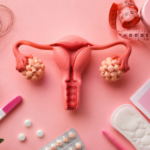
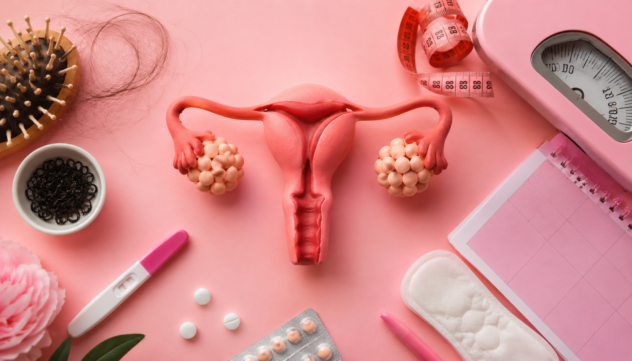
PCOS stands for Polycystic Ovary Syndrome, a common hormonal condition among women of reproductive age. It affects ovarian function, though not every woman with PCOS actually has cysts on her ovaries. The name comes from the small, fluid-filled sacs that can appear on the ovaries in some cases — but in reality, the condition is about hormonal imbalance, not the sacs themselves. Dr. Andrea Dunaif, an endocrinologist who has researched PCOS for more than three decades, has noted that PCOS is one of the most common yet most misunderstood endocrine disorders among women. This misunderstanding often delays diagnosis and proper care.
What Causes PCOS? Understanding the Root Triggers
Researchers haven’t pinpointed one single cause of PCOS. Instead, it’s believed to result from a combination of genetic and lifestyle-related factors working together.
Insulin Resistance
Research published by the National Institutes of Health has found that nearly 70% of women with PCOS have some degree of insulin resistance. When the body’s cells become resistant to the action of insulin, blood sugar levels rise. When cells don’t respond properly to insulin, the body produces even more of it — and this excess insulin stimulates the ovaries to produce more androgens.
Genetics and Family History
PCOS may have a genetic link among women. Scientists have identified several gene variants associated with the condition, though no single “PCOS gene” has been confirmed.
Low-Grade Inflammation
Studies show many women with PCOS have chronic low-grade inflammation, which may stimulate polycystic ovaries to produce more androgens, worsening hormonal imbalance and metabolic issues.
Excess Androgen Production
A normal menstrual cycle involves a specific hormonal process for the release of an egg from the ovary (ovulation). Excess androgen disrupts this process, so the ovaries can’t release eggs regularly — which causes irregular or absent periods and makes it difficult to conceive. Along with this, symptoms like acne, excess hair growth, and thinning of scalp hair also appear.
Symptoms of PCOS: What to Watch For
PCOS symptoms can vary widely from person to person, and the sooner they’re recognized, the easier management becomes.
• For many, irregular or absent periods appear as the first symptom.
• Excess hair growth on the face, chest, or back (hirsutism)
• Acne or oily skin
• Weight gain
• Thinning of scalp hair
• Difficulty conceiving due to irregular ovulation
• Dark patches on the skin, often around the neck or armpits
A real-world example
Sarah, a 27-year-old teacher, spent nearly four years visiting dermatologists for persistent acne before a gynecologist finally connected her symptoms — irregular cycles, weight fluctuation, and skin changes — to PCOS. Her story is common; many women see multiple specialists before getting an accurate diagnosis.
How is PCOS Diagnosed?
There is no single test for PCOS. Doctors typically discuss your menstrual cycle history and other symptoms. Along with a physical exam, the doctor may also order blood tests to check hormone levels, blood sugar, and cholesterol, and may recommend some of the following tests:
Pelvic exam
Ultrasound
Blood tests
According to guidelines from the American College of Obstetricians and Gynecologists (ACOG), the insulin resistance, obesity, and chronic lack of ovulation commonly seen in women with PCOS are associated with a higher long-term risk of type 2 diabetes, cardiovascular disease, and endometrial cancer.
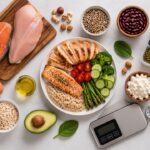
PCOS Diet: Foods That Help and Foods to Limit
Diet plays a powerful role in naturally managing PCOS, especially because insulin resistance is the root cause of this condition in most patients.
Foods to include:
- High-fiber foods — vegetables, legumes, and whole grains help slow sugar absorption
- Lean protein — chicken, fish, tofu, and eggs help keep blood sugar levels stable
- Healthy fats — avocado, olive oil, nuts, and various seeds such as chia seeds, flax seeds, pumpkin seeds, sunflower seeds, etc. Seeds reduce inflammation
- Anti-inflammatory foods — berries, leafy greens, turmeric, and fatty fish like salmon
Foods to limit:
- Fried food, junk food, and processed foods such as cakes, pastries, chocolate, bread, burgers, and sausages should be removed from the diet.
- Root vegetables such as potatoes, sweet potatoes, carrots, and beets are best eaten in moderation.
- Sugary drinks and soda
- Ultra Processed foods and fried foods
- Excess dairy products
A well-known 2010 study published in the American Journal of Clinical Nutrition found that women with PCOS who followed a low-glycemic-index diet saw greater improvements in insulin sensitivity and menstrual regularity compared to those on a conventional healthy diet. This reinforces that dietary changes aren’t just anecdotal — they’re backed by clinical evidence.
How to Treat PCOS: Natural and Medical Approaches
With lifestyle changes and, when necessary, medical treatment combined, PCOS symptoms can be effectively managed.
Natural Management Strategies
Regular exercise — Make sure to exercise — walk briskly for at least 30 minutes every day. This can improve insulin sensitivity and help with weight control.
Stress management —Chronic stress raises cortisol, which can further worsen hormonal imbalance. Yoga and adequate sleep both help regulate stress hormones.
Weight management — Losing just 5-10% of body weight has been shown to restore ovulation in many women with PCOS, according to studies from the Endocrine Society.
Supplements — Inositol, particularly myo-inositol, has shown promising results in multiple clinical trials for improving insulin sensitivity and ovulatory function. Always consult a doctor before starting supplements.
Sleep hygiene — Poor sleep is linked to worsening insulin resistance, so set a regular sleep schedule — sleep matters more than most people think.
Medical Treatment Options
For some women, natural methods alone aren’t enough. Doctors may prescribe:
- Birth control pills, for cycle regulation and lowering androgen levels
- Metformin, which can also act as an insulin resistance reducer and may help stimulate ovulation in some patients
- Fertility medications for women trying to conceive.
- Anti-androgen medications for excess hair growth or acne
The most effective approach is usually to follow natural lifestyle strategies alongside medical guidance tailored to individual symptoms and goals.
Living Well With PCOS
Managing PCOS is a long-term journey, not a quick fix. Many women find that consistent small changes — better sleep, balanced meals, regular movement — create more sustainable results than drastic short-term fixes.
Working with a healthcare provider who understands symptoms of PCOS, causes and natural management together, rather than treating each symptom in isolation, tends to produce the best long-term outcomes.
Frequently Asked Questions
1. Can PCOS be cured completely? No, PCOS cannot be cured, but it can be effectively managed through diet, exercise, stress reduction, and medical treatment when necessary.
2. Can men have PCOS-related symptoms? Men don’t develop PCOS itself since it’s an ovarian condition, but male relatives of women with PCOS can carry related genetic markers linked to insulin resistance and metabolic syndrome.
3. Does PCOS affect fertility permanently? Not necessarily. While PCOS is a leading cause of infertility due to irregular ovulation, many women conceive naturally or with fertility treatment once hormonal balance improves.
4. Is weight gain always a symptom of PCOS? Not always. While many women with PCOS experience weight gain due to insulin resistance, some have “lean PCOS” and maintain a typical weight while still experiencing other symptoms.
5. What is the best diet for PCOS? There’s no single “best” diet, but low-glycemic, anti-inflammatory eating patterns rich in fiber, lean protein, and healthy fats tend to show the most consistent symptom improvement in research.
This article is for informational purposes only and does not replace professional medical advice. Always consult a licensed healthcare provider for diagnosis and treatment of PCOS.