If you’re feeling off—more tired than usual, dealing with stubborn weight changes, mood swings, or irregular cycles—you’re not alone. Hormonal imbalances can affect anyone, and simple lifestyle choices can make a real difference. This guide explores natural ways to balance hormones through diet, exercise, sleep, and more. We’re focusing on compassionate, evidence-based tips for everyday life.
Natural Ways to Balance Hormones
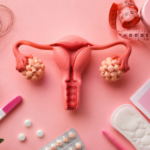
Hormones act as your body’s chemical messengers, influencing metabolism, mood, energy, and reproduction. While there are dozens, here are seven key ones often discussed in the context of balance
What Are the 7 Main Hormones?
- Estrogen: Supports reproductive health, mood in all bodies, and is especially discussed in women, Reduces the risk of heart disease. Also, maintains skin elasticity and brightness.
- Progesterone: Helps regulate the menstrual cycle and supports pregnancy, It also acts as a Neurosteroid in the brain.
- Testosterone: It is necessary for muscle growth, maintaining bone density, sperm production, and regulating sexual desire, and matters for both men and women.
- Cortisol: Cortisol performs several important functions in the body: regulating metabolism, controlling blood sugar levels, reducing inflammation, and managing stress.
- Insulin: Cortisol performs several important The primary function of insulin is to regulate glucose or sugar levels. It controls protein metabolism and promotes fat storage.
- Thyroid Hormones (T3 and T4): Control metabolism, energy levels, and body temperature through out the day.
- Melatonin: Governs sleep-wake cycles and supports healthy sleep timing
Understanding these helps explain why small changes in daily habits can lead to big improvements in how
you feel. How can you balance hormones natural way?
Early Signs of Hormone Imbalance
Your body often sends signals when hormones are out of sync. Recognizing them early can empower you to take action. Common early signs include:
- Feeling tired or low on energy, even after enough sleep.
- Irritability, sadness.
- Weight gain or loss
- Irregular menstrual cycles, heavy or missed periods
- Insomnia, mood swings.
- Changes in skin or hair, acne, hair loss.
- Lack of sexual desire or changes in sexual function.
These symptoms can overlap with other issues, so listen to your body empathetically. If they persist, consult a healthcare professional for personalized testing and advice.
Which Foods Help Balance Hormones?
A nutrient-rich diet is one of the most powerful natural tools for hormone health. Focus on whole foods that provide building blocks for hormone production, support detoxification,
and stabilize blood sugar, key hormone-balancing foods include:

- Cruciferous vegetables (broccoli, cauliflower, Brussels sprouts, kale): These support estrogen metabolism and liver detoxification.
- Healthy fats (avocados, olive oil, nuts, seeds): Essential for producing steroid hormones like estrogen and progesterone.
- Lean proteins (eggs, fish, lentils, chicken, Greek yogurt): Help stabilize blood sugar and provide amino acids for hormone synthesis.
- Fiber-rich options (leafy greens, legumes, whole grains): Aid in eliminating excess hormones and support gut health, which is closely linked to hormonal balance.
Incorporate these consistently for the best results. Small, sustainable swaps—like adding a side of broccoli or a handful of nuts—add up over time.
Which Fruits Are Best for Hormone Balance
Fruits offer antioxidants, fiber, and natural sweetness without derailing blood sugar when chosen wisely. Top picks include:
Best Fruits for Hormone Balance
- Berries (blueberries, strawberries, raspberries, blackberries): Packed with antioxidants that reduce inflammation and support overall endocrine health.
- Apples: Contain compounds that help with estrogen detoxification and support a steady snack option.
- Citrus fruits (oranges, lemons): Provide vitamin C for adrenal support and immune function.
- Cherries and pomegranates, grapes: May aid sleep via natural melatonin and offer anti-inflammatory benefits.
- Honey, ginger you can add also.
Aim for 1–2 servings of lower-sugar fruits daily, ideally whole with the skin on.
What Drinks Help Balance Hormones?
Hydration and smart beverage choices matter. Supportive drinks include:
- Green tea: A powerhouse of antioxidants and other phytonutrients, the most common benefit is that green tea helps regulate a woman’s hormonal imbalance.
- Herbal teas (spearmint for PCOS symptoms, chamomile or dandelion root for liver and stress support).
- Water with lemon or infused options: Keeps you hydrated and gently supports detoxification.
- Smoothies with hormone-friendly ingredients like berries, spinach, and seeds.
High Protein Meal Plan for Fat Loss and Hormone Support
Limit sugary drinks, alcohol, and excessive caffeine, as they can disrupt blood sugar and stress hormones.
High-Protein Meal Plan for Fat Loss and Hormone Support:
High-Protein Meal Plan for Fat Loss and Hormone Support:
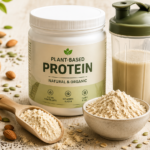
Protein is crucial—it helps regulate appetite, supports muscle maintenance, and stabilizes blood sugar, all of which promote hormone balance and healthy fat loss. Aim for 25–30 grams per meal.
Sample 1-Day High-Protein Meal Plan (approx. 1,800–2,200 calories, adjustable):
Sample 1-Day High-Protein Meal Plan (approx. 1,800–2,200 calories, adjustable):
- Breakfast: Greek yogurt parfait with berries, chia seeds, and a sprinkle of almonds (high protein + fiber).
- Lunch: Grilled chicken or salmon salad with mixed greens, avocado, broccoli, olive oil dressing, and quinoa.
- Snack: Apple with a handful of walnuts or a hard-boiled egg.
- Dinner: Baked fish or lentils with Brussels sprouts, sweet potato, and a side of leafy greens.
- Evening option (if needed): Cottage cheese or a small protein smoothie with spinach and berries.
Combine this with strength training and cardio for optimal results. Pair protein with healthy fats and fiber to keep meals satisfying and blood-sugar friendly.
Additional Natural Strategies for Hormone Balance
Additional Natural Strategies for Hormone Balance
- Prioritize sleep: Aim for 7–9 hours nightly to regulate cortisol, melatonin, and more.
- Move regularly: Mix strength training, walking, and yoga to improve insulin sensitivity and reduce stress.
- Manage stress: Practices like mindfulness or deep breathing help keep cortisol in check.
- Support gut health: A diverse, fiber-rich diet nourishes your microbiome, which influences hormone metabolism.
Final Thoughts:
Remember, every positive step you take is an act of care for your body. Take a small step; it will make a great change after some days. So Be patient and kind to yourself — your body is resilient and responds beautifully when given the right care. Start today, celebrate your progress, and consult a healthcare professional whenever needed.