Hormonal acne is one of the most common and frustrating skin problems for adults in the United States, especially women. While ordinary breakouts often clear up on their own or with basic skincare, hormonal acne tends to return repeatedly, feels deeper and more painful, and resists many everyday products.
Understanding what hormonal acne is, how it looks, what causes it, and how you can manage it naturally at home can make a real difference in gaining better control over your skin.
This article has discussed the key aspects of hormonal acne problem and treatment, We hope this information helps you better understand hormonal acne and find the right approach to achieving clearer, healthier skin.
Hormonal Acne: Problems and Treatment
What Is Hormonal Acne?
When the level of androgen hormones in the body becomes higher than normal, the sebaceous glands in the skin become overactive. As a result, the skin turns oily. This excess oil leads to red, inflamed breakouts in different parts of the body. Most of these pimples are painful.
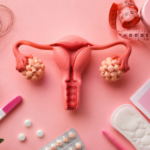
Although hormonal acne is a common problem during the teenage years, it is also frequently seen in adults. Even after it improves, it often returns. This is especially common among women during their menstrual cycle, pregnancy, perimenopause, menopause, or conditions such as polycystic ovary syndrome (PCOS). Men can also experience it due to stress or as a side effect of certain medications.
What Does Hormonal Acne Look Like?
Hormonal acne often differs from typical teenage acne in location, depth, and feel:
- Acne frequently appears on the forehead, chin, around the nose, mouth ,cheeks, neck, throat, back, chest, and even on the hands.
-
Hormonal acne can develop at any age, but it becomes increasingly common during adulthood
- Lesions tend to be deep, tender nodules or cysts under the skin rather than surface-level blackheads or whiteheads. These can feel sore or painful to the touch and may take weeks to resolve.
- Breakouts often follow a cyclical pattern, flaring in the days before a menstrual period.
- The skin may show redness, inflammation, and in some cases post-inflammatory hyperpigmentation or scarring if left untreated.
In contrast, regular (non-hormonal) acne more often features a mix of blackheads, whiteheads, and pustules across the T-zone (forehead, nose, and chin) and responds more readily to standard topical treatments.
What Causes Hormonal Acne?
The root driver is hormonal imbalance that increases oil production. Key factors
include:
- Androgen fluctuations —
When the level of androgen hormone increases in the body, the sebaceous glands of the skin produce more oil or sebum. This excess oil mixes with dead cells and blocks the hair follicles. As a result, bacteria accumulate, inflammation occurs, and from that acne develops.
- Menstrual cycle, pregnancy, and menopause —
Before and after menstruation, during pregnancy, and during menopause, due to natural hormonal changes, the sebum that is produced is another one of the causes.
- Polycystic ovary syndrome (PCOS) and other endocrine conditions.
- Stress —
Long-term mental stress can increase the secretion of cortisol hormone and disrupt the hormonal balance in the body, which can cause fluctuations in acne.
- Genetics, diet ___
Eating excessive amounts of junk food,(high-glycemic foods and dairy in some people) poor sleep, and certain medications (such as steroids or stopping birth control).
The Problems Associated with Hormonal Acne
Beyond the physical discomfort of painful cysts, hormonal acne can affect quality of life. Acne scars can leave lasting marks on the skin long after the pimples have healed. For many people, these visible scars become a source of emotional distress. Some may even feel the need to hide their skin because they are unhappy with how it looks. This can lead to increased anxiety, stress about their appearance and, over time, lower self-confidence and social comfort. People with darker skin tones may be especially affected, as acne scars and changes in pigmentation are often more noticeable.

How to Treat Hormonal Acne Naturally at Home
Natural approaches focus on supporting hormone balance, reducing inflammation, and calming the skin. Results vary and work best for mild cases; consistency matters.
- Skincare basics:
Use a gentle, non-comedogenic cleanser twice daily. Apply tea tree oil (diluted) or products containing alpha hydroxy acids (AHAs) or green tea extract for their antimicrobial and anti-inflammatory effects. Always patch-test new ingredients.
- Diet and lifestyle:
Reduce high-glycemic foods and dairy if they trigger your skin. Emphasize whole foods, fiber, and anti-inflammatory options (leafy greens, berries, fatty fish). Manage stress with exercise, sleep, yoga, or meditation. Stay hydrated and avoid harsh scrubbing.
- Supplements (with caution):
Zinc, vitamin D, omega-3s, and certain herbs like spearmint tea may help some people by supporting hormone balance, but consult a healthcare provider first—especially if you have underlying conditions or take medications.
- Topical soothers:
Aloe vera gel contains salicylic acid and sulfur, two ingredients commonly used in acne treatment. These compounds may help reduce excess oil, unclog pores, and soothe inflamed skin. Honey also has natural antibacterial properties and may help keep pores clear by reducing the buildup of bacteria and debris.
Apple cider vinegar is another home remedy that is sometimes used for acne. It contains acetic acid, which may help reduce inflammation and inhibit the growth of certain bacteria. However, evidence supporting its effectiveness for treating acne is limited, and it should always be diluted (used carefully) before applying to the skin to help prevent irritation or chemical burns.
These methods support skin health but rarely clear moderate-to-severe hormonal acne alone.
How to Clear Up Hormonal Acne Fast
For faster improvement, combine consistent home care with evidence-based options:
Over-the-counter actives:
Benzoyl peroxide, salicylic acid, or adapalene (a retinoid available without prescription) can reduce bacteria and unclog pores. Start slowly to avoid irritation.
Prescription options :
(often most effective for hormonal acne): Topical retinoids, oral contraceptives (for women), spironolactone (an anti-androgen), or short courses of oral antibiotics. In severe cases, isotretinoin may be considered under dermatologist supervision.
Professional treatments:
Chemical peels, extractions, or light/laser therapies can accelerate clearing of existing lesions.
Lifestyle acceleration:
- Strictly follow a non-comedogenic skincare routine, track your cycle to anticipate flares, and address stress and sleep immediately.
Most people notice improvement in 4–12 weeks with consistent treatment. Avoid picking or aggressive DIY methods, which worsen inflammation and scarring.
Important: This article is for informational purposes only and is not a substitute for professional medical advice. Hormonal acne can signal underlying issues such as PCOS. See a board-certified dermatologist or healthcare provider for personalized diagnosis and treatment, especially if breakouts are severe, painful, or accompanied by other symptoms (irregular periods, excess hair growth, etc.).
By understanding the hormonal drivers and combining smart home care with appropriate medical support when needed, most people can significantly reduce breakouts and achieve clearer, calmer skin.